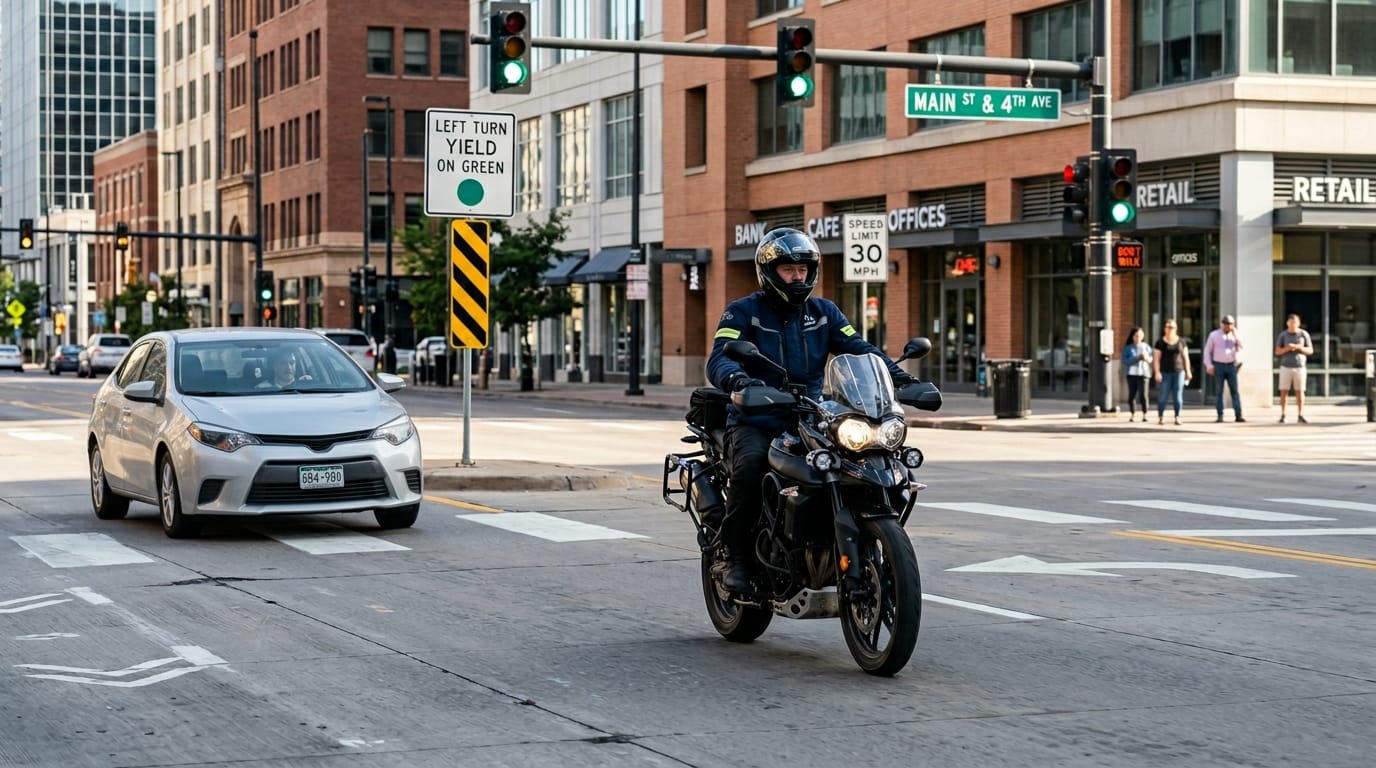
Motorcycle Safety Awareness Month 2026 is more than a public safety slogan. For injured riders, the message can connect directly to fault, visibility, and evidence after a crash. Every May, safety agencies remind drivers to look twice, check blind spots, use turn signals, and give riders more room. Those reminders matter because many motorcycle crashes start with one familiar excuse: “I never saw the rider.”
That excuse should not end the claim. Motorcycles are smaller than cars, but they are not invisible. Drivers still have a duty to look carefully before turning, merging, opening a door, or entering traffic. When a driver ignores that duty, a rider can suffer life-changing injuries in seconds.
Motorcycle Safety Awareness Month 2026 also arrives as more riders return to the road during warmer weather. More bikes on the road means more chances for drivers to make dangerous mistakes. Riders can use this month as a reminder to protect themselves, but drivers must also do their part. A safe road requires both.
This guide explains how safety awareness messages may connect to motorcycle accident claims, driver fault, blind spots, left turns, lane splitting, digital evidence, and injury damages.
Why Motorcycle Safety Awareness Month Matters After A Crash
Safety campaigns often focus on prevention. They remind drivers to slow down, check mirrors, avoid distractions, and watch for motorcycles. After a crash, those same warnings can help explain what a reasonable driver should have done.
If a driver says they did not see the motorcycle, the next question is simple. Did the driver actually look? A careful driver checks mirrors, scans blind spots, signals early, waits for a safe gap, and turns only when the path is clear. A quick glance is not enough when a rider may be nearby.
The National Highway Traffic Safety Administration reminds drivers and riders to share the road, stay alert, make riders visible, use DOT-compliant helmets, and avoid impaired riding. Readers can review the official guidance here: NHTSA Motorcycle Safety.
Motorcycle Safety Awareness Month 2026 can also help injured riders frame the claim around a clear issue. The case is not only about a crash. It is about whether the driver followed basic road-sharing rules that safety agencies repeatedly emphasize.
“I Never Saw The Motorcycle” Is Not A Complete Defense
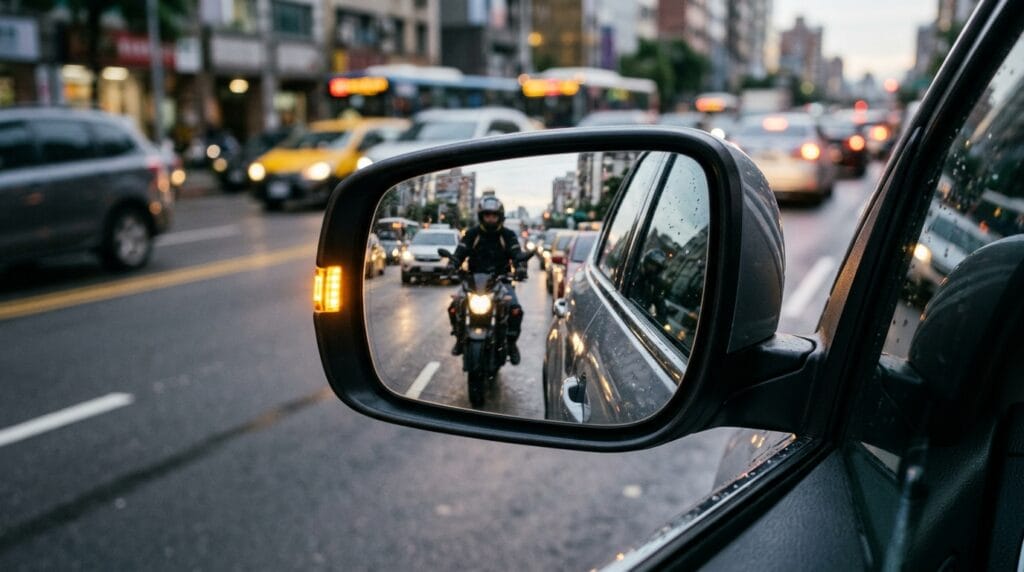
Drivers often use visibility as an excuse. They may say the rider came out of nowhere. They may claim the motorcycle was too small to notice. They may blame traffic, glare, weather, or the rider’s position.
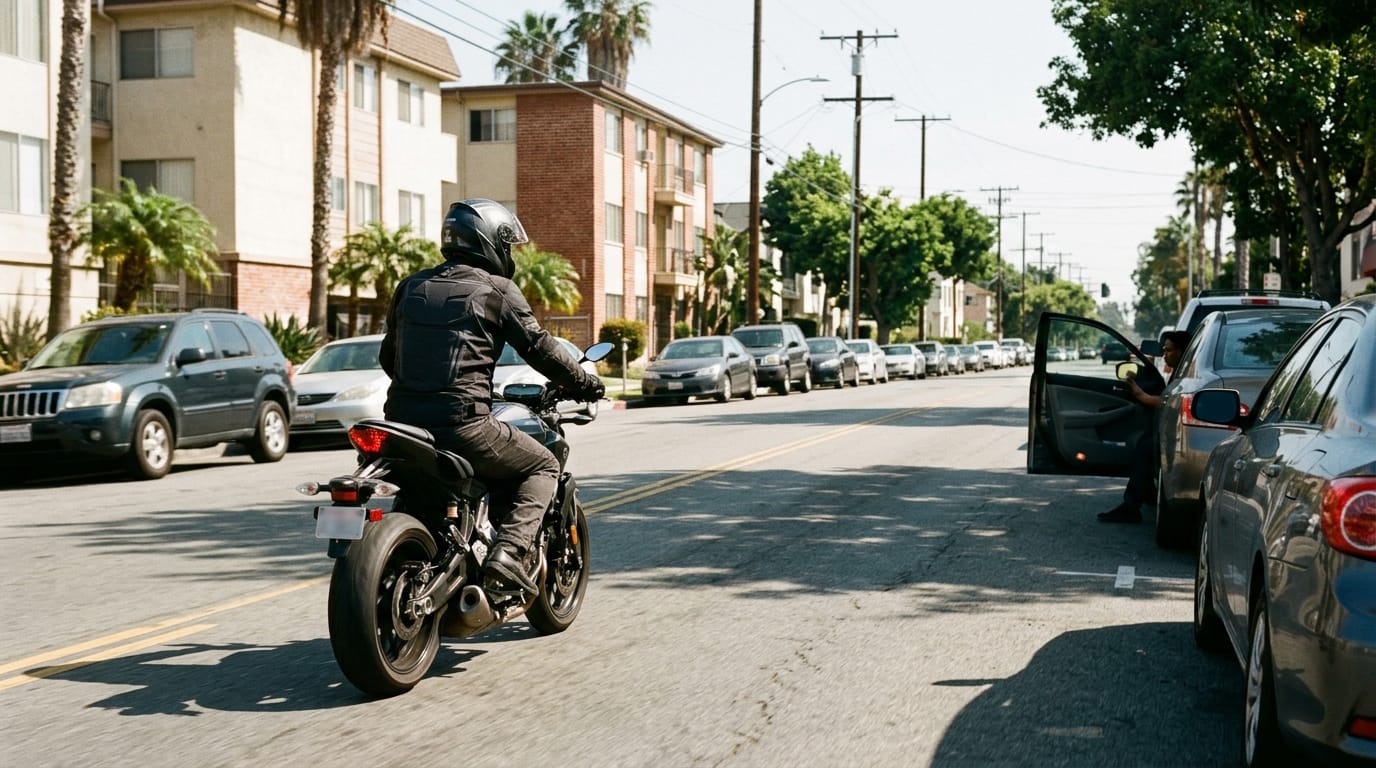
Those facts may matter, but they do not automatically excuse the driver. A driver who changes lanes must check that the lane is clear. A driver who turns left must yield when required. A driver who exits a driveway must look for all traffic, including motorcycles.
Insurance companies may still try to shift blame. They may argue the rider was speeding, lane splitting, riding too close, or wearing dark clothing. A strong claim tests those arguments against real evidence.
For more on this issue, read California Motorcycle Blind Spot Accident Claims in 2026.
Blind Spots Can Create Serious Lane-Change Crashes
Blind spot crashes often happen fast. A driver drifts into another lane, merges across traffic, or moves without checking carefully. A motorcycle beside the vehicle may have little space to escape.
These crashes can cause broken bones, road rash, shoulder injuries, knee injuries, spinal trauma, head injuries, and internal injuries. A sideswipe that only dents a car can throw a rider onto pavement.
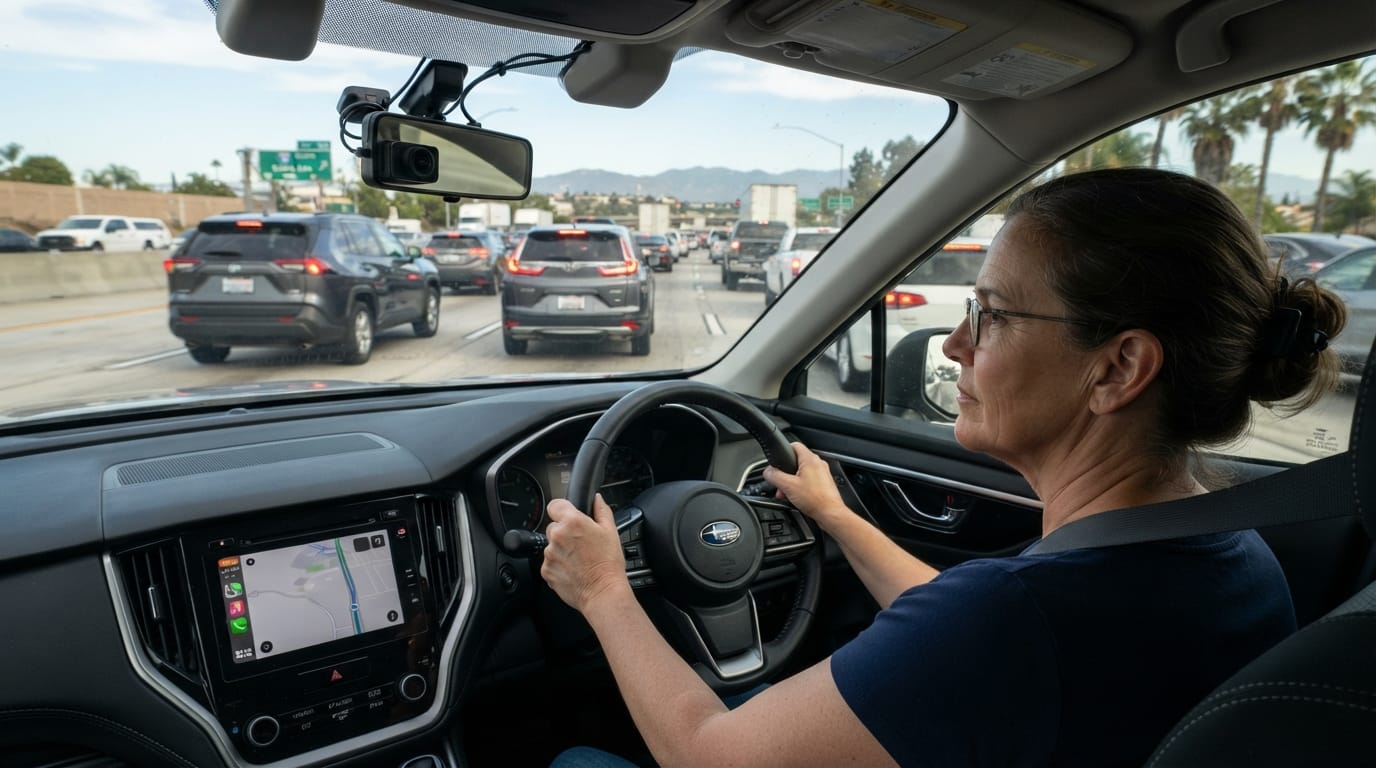
Evidence can show whether the driver signaled, checked mirrors, turned their head, or moved suddenly. Dashcam footage, helmet camera video, scrape marks, vehicle positions, and witness statements can all help.
Left-Turn Crashes Often Come Down To Driver Attention
Left-turn motorcycle accidents remain one of the most dangerous crash patterns. A driver may turn across an oncoming rider because they misjudge speed or fail to see the motorcycle at all. The rider may have no time to avoid the impact.
These claims often focus on traffic signals, right of way, sight lines, speed, braking, and impact location. The driver may say the rider was moving too fast. The rider may say the driver turned suddenly. The evidence decides which story holds up.
Your related article on Left-Turn Motorcycle Accidents can help readers understand why these crashes often point back to driver negligence.
Technology Does Not Replace Looking Twice
Modern cars now include blind-spot monitoring, lane alerts, cameras, automatic braking, and other driver-assistance systems. These features can help, but they do not remove the driver’s responsibility. A warning system is not a substitute for attention.
Motorcycle Safety Awareness Month 2026 is a good time to repeat that point. Drivers should not treat technology like a guarantee. A sensor may miss a motorcycle. A warning light may fail to activate. A driver may ignore an alert. The human driver must still check the road.
This matters in injury claims because technology can create both defenses and evidence. An insurer may argue the system would have detected the rider if the rider had been visible. The rider may argue the driver relied too heavily on the system and failed to look.
For a deeper discussion, read Blind-Spot Detection and Motorcycle Crashes in 2026.
ADAS Data May Help Rebuild The Crash
Driver-assistance systems may create useful evidence. Vehicle data can show speed, braking, steering input, warnings, and impact timing. Some vehicles may also store camera or sensor information.
This evidence can help determine whether the driver received a warning before impact. It may also show whether the driver braked, drifted, accelerated, or ignored lane alerts. In serious cases, attorneys may need to request this data quickly before it disappears.
Riders should also preserve their own evidence. Helmet cameras, dashcams, smart motorcycle data, GPS logs, photos, and repair records can all support the claim.
How Riders Can Protect A Motorcycle Accident Claim In 2026
After a crash, medical care comes first. Riders should not ignore pain, dizziness, numbness, headaches, back pain, shoulder pain, or confusion. Adrenaline can hide symptoms at the scene. Some injuries become clearer hours or days later.
Medical records also protect the legal claim. They connect the injuries to the crash. They document treatment, imaging, prescriptions, therapy, work restrictions, and future care needs. Insurance companies often use treatment gaps against injured riders.
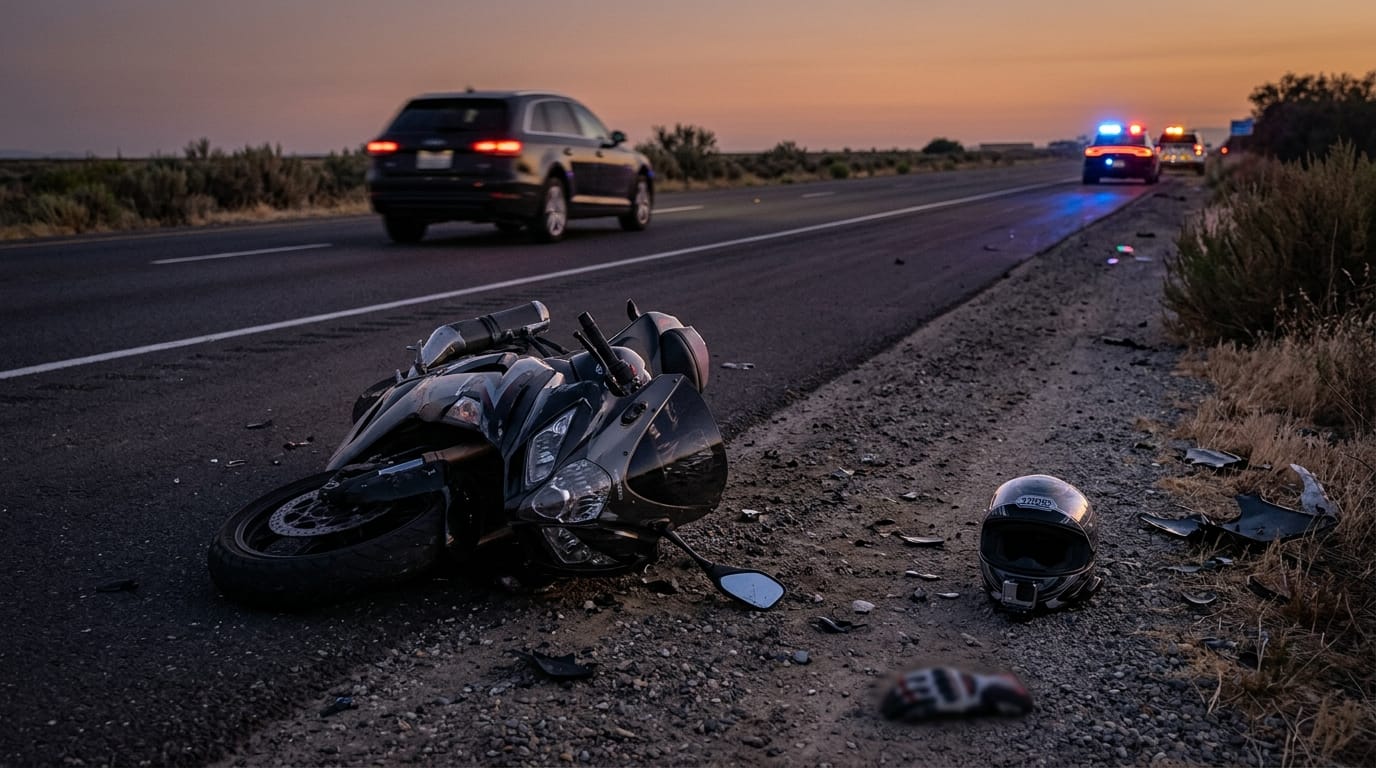
Evidence comes next. Riders, family members, or witnesses should take photos of the motorcycle, other vehicles, road conditions, lane markings, skid marks, traffic signs, debris, helmet, gear, and visible injuries. They should also collect witness names and look for nearby cameras.
If the crash happened during lane splitting or lane filtering, the claim may need extra care. Drivers and insurers often misunderstand these situations. Your guide on Lane-Splitting Motorcycle Accidents in California 2026 can support readers who face this type of blame dispute.
Evidence Can Defeat Unfair Rider Blame
Riders often face unfair assumptions. Some adjusters assume the motorcyclist must have been speeding. Others suggest the rider accepted the risk by riding a motorcycle. Those arguments can reduce settlement offers if the rider lacks proof.
A strong claim focuses on facts. Was the driver distracted? Did the driver signal? Did the driver check the blind spot? Did the rider have the right of way? Did road hazards force the rider to react? Did a camera capture the crash?
Road conditions may also matter. Potholes, loose gravel, debris, uneven pavement, and construction zones can make a rider lose control or reduce escape options. If the crash involved unsafe pavement, read Motorcycle Road Hazard Accidents in California.
Helmet, Gear, And Medical Records Still Matter
Protective gear can reduce injury severity, but it does not prevent every injury. A helmet may help protect the brain. Jackets, gloves, pants, and boots may reduce road rash and fractures. Still, a careless driver can cause serious harm even when the rider uses proper gear.
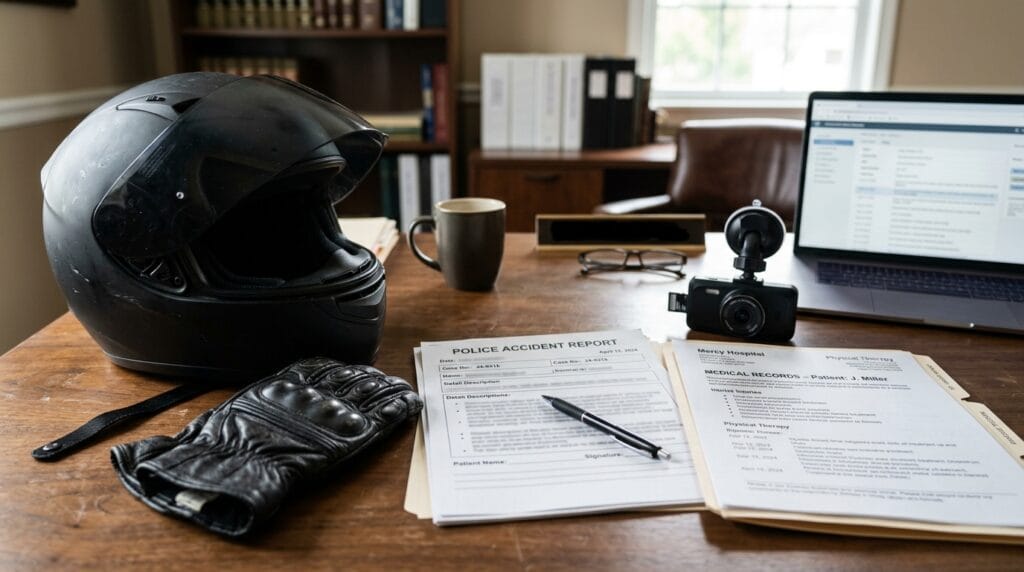
Insurers may review helmet use and medical records closely. They may argue that some injuries were unrelated, exaggerated, or made worse by the rider’s choices. Riders should keep the helmet, damaged gear, emergency records, imaging reports, prescriptions, therapy notes, and work records.
Motorcycle Safety Awareness Month 2026 sends a clear message. Drivers must look twice because riders have less protection. When drivers fail to do that, injured riders need evidence that shows what really happened.
The bottom line is direct. A driver cannot erase responsibility by saying they did not see the motorcycle. Awareness campaigns, traffic laws, NHTSA guidance, witness testimony, video, vehicle data, and medical records can all help prove fault and damages.
Anyone hurt in a motorcycle crash should get medical care, preserve evidence, avoid rushed insurance statements, and review the claim before accepting blame or settlement money. Looking twice can prevent a crash. After a crash, looking closely at the evidence can protect the rider’s rights.