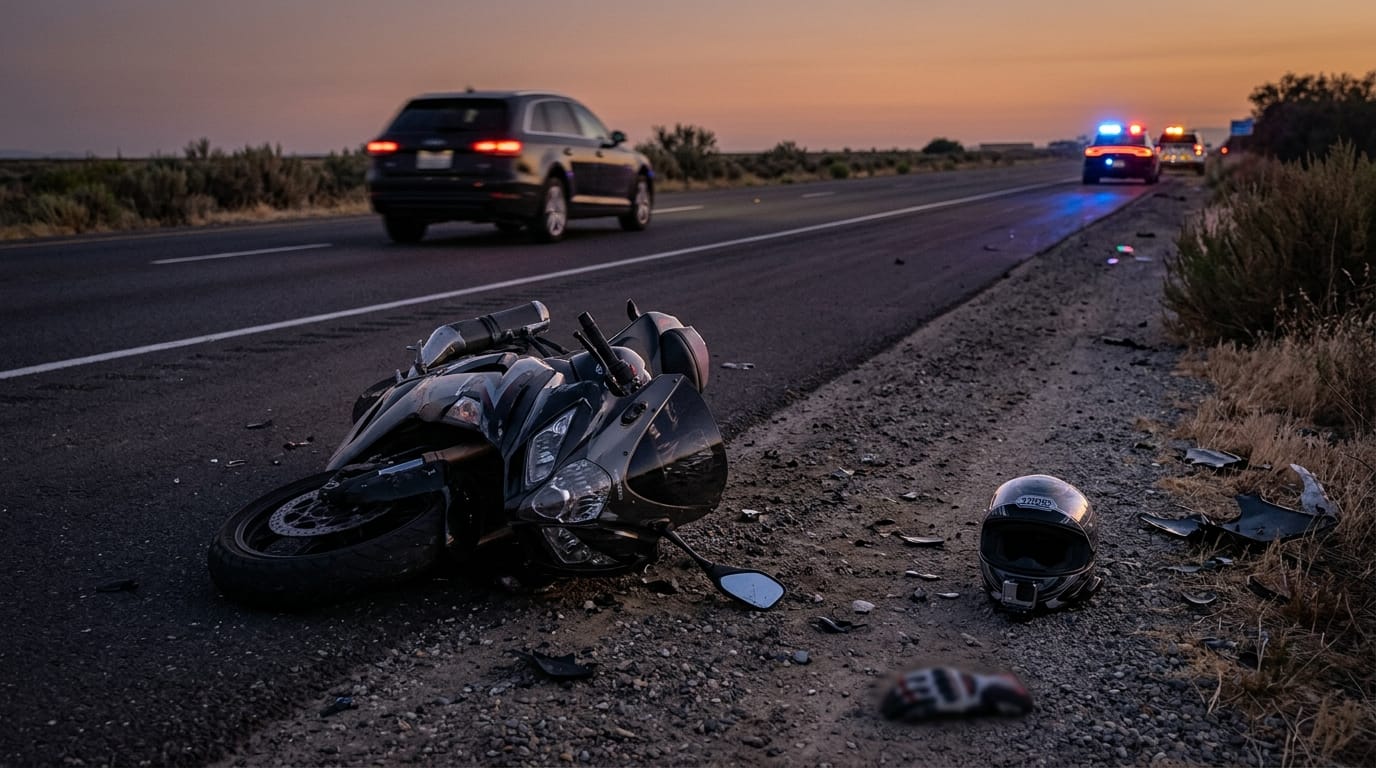
A motorcycle road rage claim can become one of the hardest crash cases to prove. Riders already deal with visibility problems, driver bias, and severe injury risk. When anger enters the picture, the case can shift from a normal negligence claim into a dispute over intent, aggression, retaliation, and whether the driver used the vehicle as a weapon.
Road rage can involve brake checking, tailgating, swerving, crowding a lane, forcing a rider toward the shoulder, throwing objects, yelling threats, or following a rider after a traffic conflict. For a motorcyclist, even a small act of aggression can cause catastrophic harm. A car driver may think they are only “teaching the rider a lesson.” On a motorcycle, that same conduct can cause fractures, brain trauma, spinal injuries, road rash, or death.
This topic matters in 2026 because more riders use helmet cameras, smart dashcams, and connected devices. Those tools can show what happened before the crash, not just the impact itself. That matters because road rage claims often turn on the driver’s pattern of conduct.
This article is for educational purposes only and is not legal advice. Every motorcycle accident claim depends on the facts, injuries, insurance coverage, evidence, and deadlines.
Why Motorcycle Road Rage Claims Are Different From Ordinary Crashes
Most motorcycle accident claims focus on carelessness. A driver failed to check a mirror. A driver turned left across the rider’s path. A driver changed lanes without seeing the motorcycle. Those cases can be serious, but the legal theory often centers on negligence.
A motorcycle road rage claim can go further. The issue may not be simple carelessness. The evidence may show that the driver acted aggressively or intentionally. That changes the tone of the claim. It can also affect how police, insurers, witnesses, and attorneys review the case.
NHTSA explains that road rage is different from aggressive driving. Aggressive driving may involve dangerous traffic behavior. Road rage can involve intentional assault by a driver or passenger with a vehicle or weapon after a roadway incident. Readers can review NHTSA’s discussion here: NHTSA aggressive driving and road rage guidance.
Road rage is different from a normal mistake
A driver who forgets to signal may still cause a serious crash. But road rage usually involves more than a mistake. It may involve anger, retaliation, intimidation, or deliberate risk. That can include speeding up to block a rider, braking suddenly in front of a motorcycle, drifting toward the rider, chasing the rider, or trying to force the rider out of position.
Insurance companies may still try to frame the crash as ordinary fault. They may say the rider followed too closely, rode too fast, or overreacted. That is why a claim needs evidence showing what happened before the impact.
This topic connects naturally with California Motorcycle Speeding Allegations in 2026. In both cases, insurers may try to shift blame onto the rider by focusing on speed instead of the driver’s unsafe conduct.
Brake checks can be deadly for riders
A brake check is dangerous for any road user, but it creates extreme risk for motorcyclists. A rider has less protection, less margin for error, and less stability during sudden emergency braking. If a driver cuts in front of a rider and slams the brakes, the rider may have only seconds to react.
The impact may look like a rear-end crash. That can create an unfair first impression. Insurance companies may argue that the rider should have kept more distance. But if video or witnesses show that the driver cut off the rider and braked intentionally, the case changes.
Close passes and lane crowding can show aggression
Road rage does not always involve a direct hit. A driver may crowd a rider, pass too closely, drift into the motorcycle’s lane, or force the rider toward parked cars, debris, or the shoulder. If the rider crashes while trying to avoid contact, the driver may deny responsibility.
These cases need careful proof. Video, road marks, witness statements, and final vehicle positions can help show that the rider reacted to a real threat. A crash does not need direct vehicle contact to involve dangerous driver conduct.
Helmet-cam evidence can change the entire claim
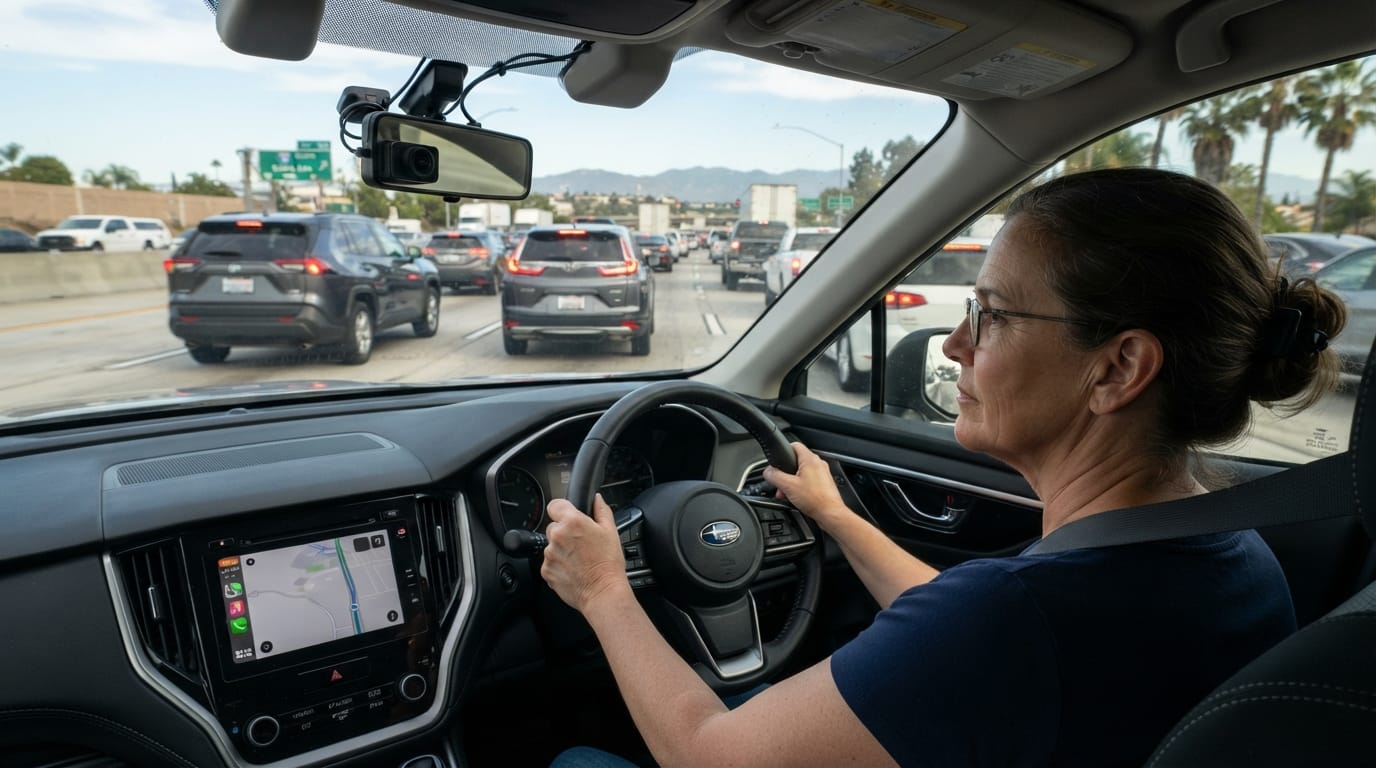
Helmet cameras, handlebar cameras, rear-facing cameras, and nearby dashcams can capture the behavior that led to the crash. This evidence can show tailgating, yelling, hand gestures, unsafe passing, brake checking, repeated lane blocking, or a driver following a rider after an argument.

Your existing article on AI Dashcams and Motorcycle Accident Evidence is a strong internal link here. Road rage claims often need video because the driver’s behavior before impact may matter as much as the crash itself.
Save the raw footage immediately
Riders should save the original footage as soon as possible. Do not edit the clip first. Do not post only a short social media version and delete the full file. The full timeline may show the driver’s conduct, the rider’s speed, traffic conditions, lane position, and whether the rider tried to avoid escalation.
Back up the original video, save timestamps, preserve the device, and keep any GPS or speed data. If another vehicle had a dashcam, ask for the footage quickly. Many systems overwrite clips within days.
How to Protect a Motorcycle Road Rage Claim After a Crash
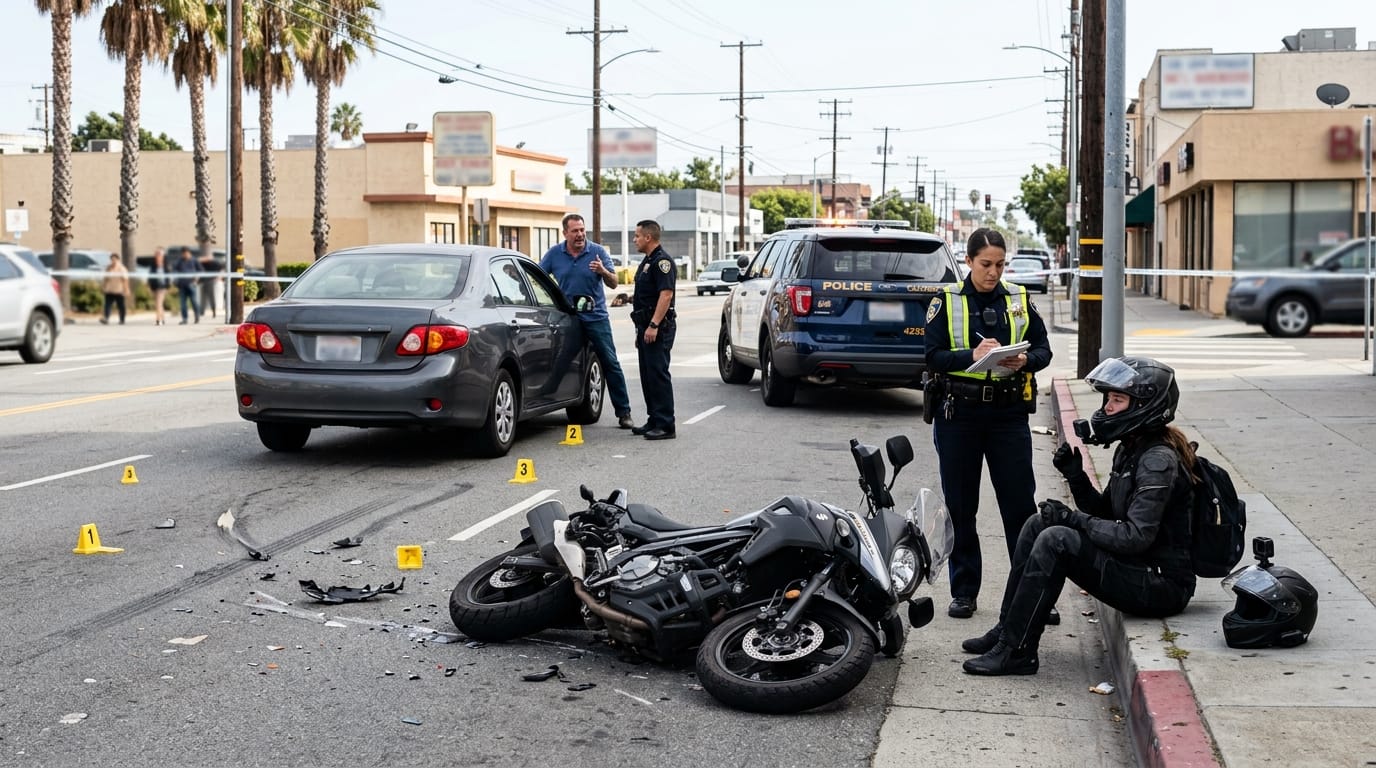
The first step is safety. Do not chase the driver. Do not continue an argument. Move away from danger if possible, call 911, and request medical help. If the driver followed, threatened, hit, or tried to intimidate the rider, tell law enforcement clearly.
Next, document everything. Take photos of the motorcycle, the vehicle, road marks, debris, lane position, traffic signs, intersections, injuries, and nearby cameras. Get witness names. Write down the driver’s words, gestures, vehicle description, license plate, and direction of travel.
Medical care also matters. Road rage crashes can cause high-force injuries, especially when a rider gets thrown, dragged, pinned, or forced into another object. Get evaluated early and keep treatment records organized.
Insurance companies may still blame the rider
Even when the driver acted aggressively, the insurance company may still attack the rider. It may argue that the motorcyclist provoked the driver, followed too closely, split lanes unsafely, accelerated too quickly, or failed to avoid the crash. These arguments can reduce the settlement value if the rider does not have strong evidence.
California comparative fault rules can allow insurers to argue shared blame. That does not mean the claim fails. It means the evidence must show the full story. The rider should not let the insurer reduce the case to one moment of impact while ignoring the driver’s pattern of aggression.
For broader injury proof, review Motorcycle Injury Documentation. Medical records, photos, treatment notes, and recovery details can help prove damages after a serious rider injury.
Witnesses can confirm the driver’s behavior
Independent witnesses can make a major difference. A witness may confirm that the driver chased the rider, brake checked, yelled threats, swerved, or drove too close. That support can help counter the common defense that the rider caused the conflict.
Nearby businesses, gas stations, homes, and traffic cameras may also capture useful footage. Look beyond the crash scene. Road rage often starts blocks earlier, so cameras before the impact point may show the escalation.

A motorcycle road rage claim is not just a motorcycle crash claim with an angry driver. It can involve intentional conduct, criminal investigation, insurance disputes, comparative fault arguments, and serious medical proof. Riders need evidence that shows the buildup, the impact, and the injuries that followed.
If you were injured after a brake check, close pass, threat, chase, or aggressive driver encounter, act quickly. Get medical care. Report the crash. Save raw video. Identify witnesses. Document the scene. Then review the insurance issues before giving broad statements or accepting a quick settlement.