Motorcycle lane filtering accident claims are becoming more important in 2026 because the law is not moving in one clean direction. Some states have allowed lane filtering in limited situations. Others have tightened rules, narrowed exceptions, or considered outright bans. That creates a serious problem for injured riders: what feels normal or lawful in one state can become the center of a negligence argument in another.
For riders, that legal patchwork matters because lane filtering crashes are already heavily disputed. Drivers often say the rider came out of nowhere. Insurance adjusters often act like riding between vehicles is reckless by default. And once a crash happens, the case can quickly shift away from the actual impact and toward an argument about whether the rider should have been there at all.
That is exactly why motorcycle lane filtering accident claims deserve their own discussion. These cases are not just about traffic movement. They are about state-specific rules, comparative fault, evidence preservation, and the way insurers weaponize confusion. A rider can be lawful and still face blame. A rider can make a mistake and still have a valid claim. The key is to focus on facts instead of assumptions.
This topic also fits naturally with the rest of your site. Readers who want more California-specific context can review Lane-Splitting Motorcycle Accidents in California 2026, and readers interested in proof issues can also review AI Dashcams and Motorcycle Accident Evidence. If the crash involves a fleeing driver, your post on Motorcycle Hit-and-Run Accidents in California is another strong internal match.
Why Motorcycle Lane Filtering Accident Claims Are Getting More Attention in 2026
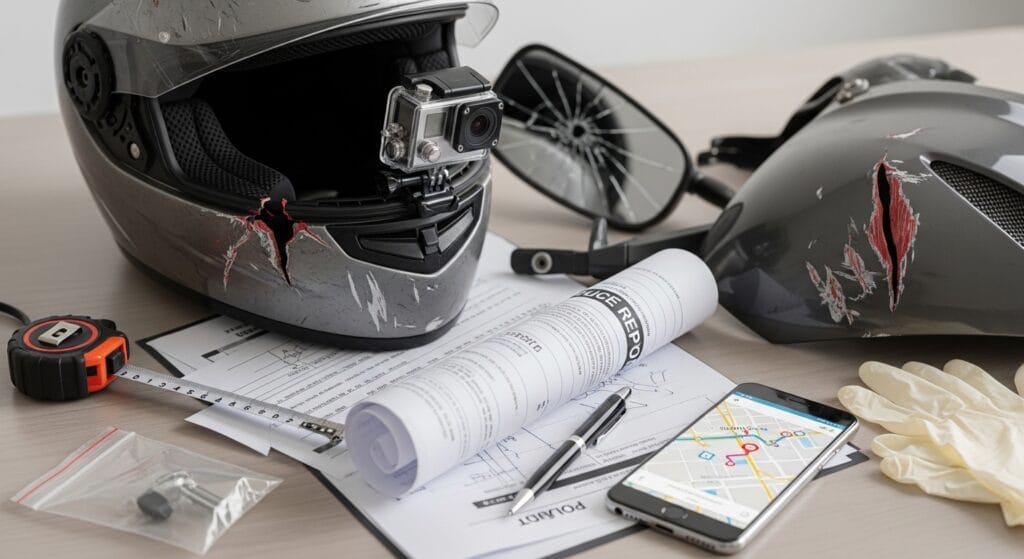
Motorcycle lane filtering accident claims are getting more attention because riders are dealing with a legal map that keeps changing. Some states now allow limited filtering under tightly defined conditions, while others still prohibit it or are actively debating it. That means the same maneuver can be described as lawful risk reduction in one place and careless riding in another. When a crash happens, that difference shapes almost everything that follows.
The state-by-state patchwork is the real issue
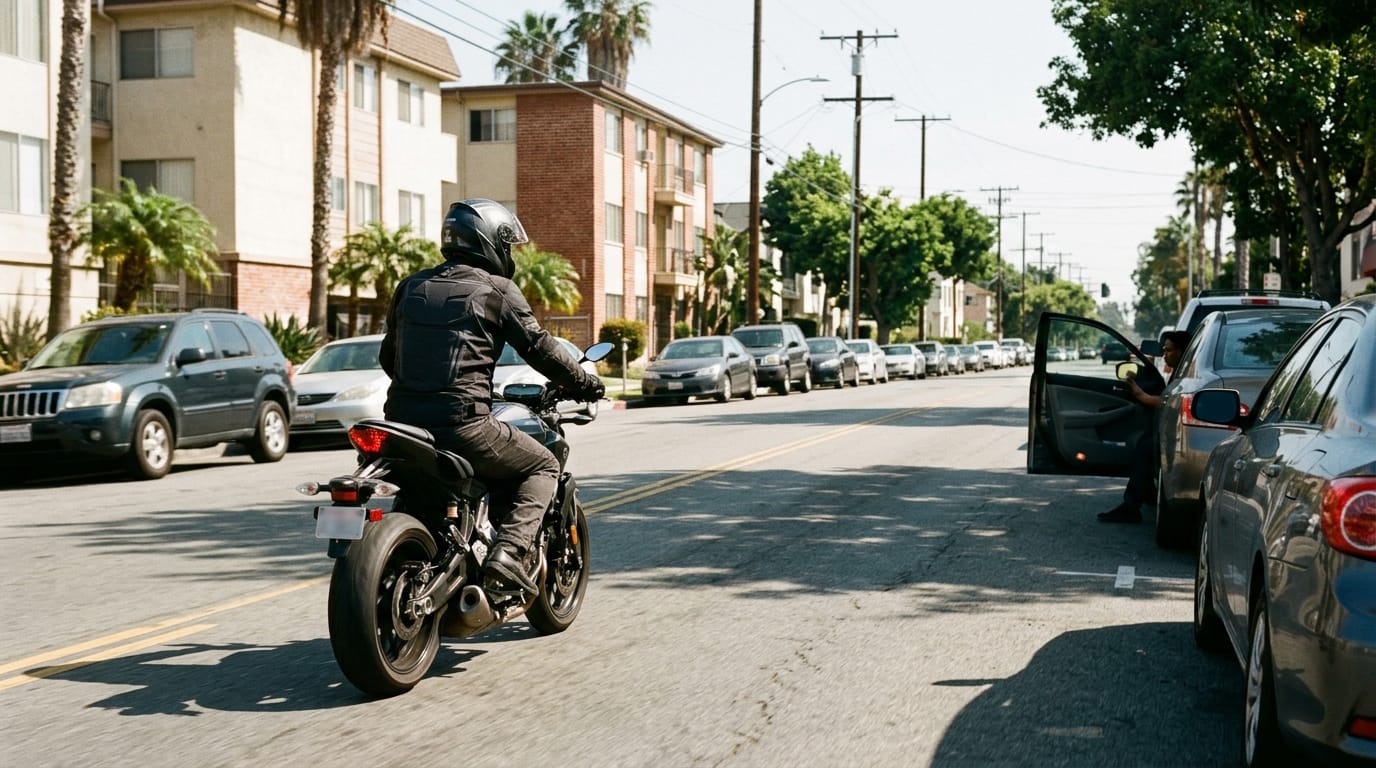
Lane filtering is not the same thing as wide-open lane splitting at speed, and that distinction matters. In many places, the legal discussion focuses on low-speed movement through stopped or nearly stopped traffic. But drivers often do not know the difference, and insurers frequently pretend there is no difference at all. That confusion is one reason these crash claims can go bad early if the rider does not lock down the evidence fast.
Why legal definitions change the whole case
If a state allows filtering only below a certain speed, only in stopped traffic, or only where there is enough room to pass safely, those details become central after a collision. A lawyer may need to prove the surrounding traffic was stopped, that the rider was moving at a controlled pace, and that the available space was sufficient for a safe pass. In other words, the case is not decided by a slogan like “lane filtering is legal” or “lane filtering is dangerous.” It is decided by the rule that applies in that state and the facts that existed in that exact moment.
Why riders get blamed even when the law helps them
Even in states with some legal protection for filtering, riders still get hit with the same defense themes. The carrier may argue the rider moved too fast, stayed in a blind spot, filtered in a space that was too tight, or ignored weather, lane width, road debris, or construction problems. That is why this topic also overlaps with your broader motorcycle content. A filtering case can easily intersect with road hazard issues, construction-zone visibility problems, or the same “I never saw the motorcycle” argument that shows up in lane-change and left-turn crashes.
How Fault and Compensation Work After a Lane-Filtering Crash
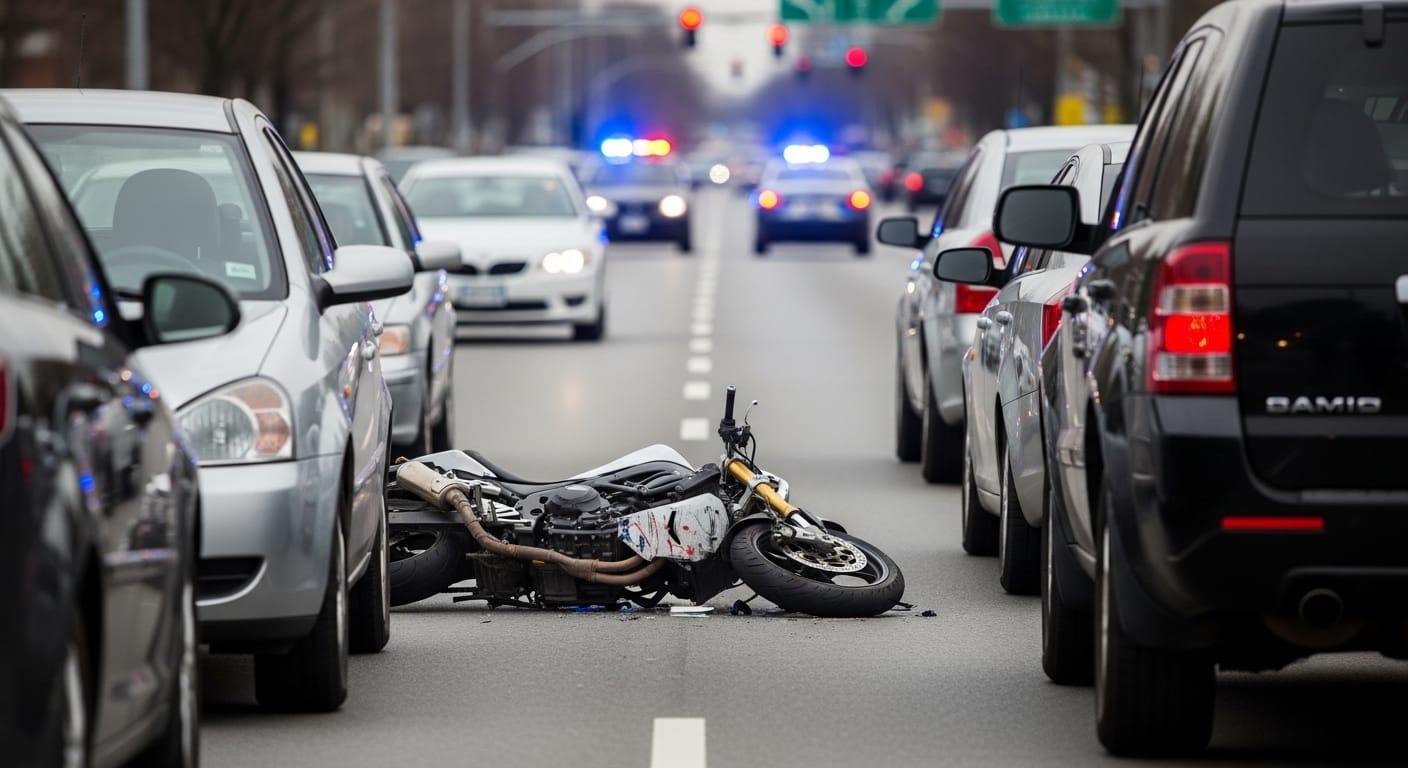
Once a crash happens, the legal fight usually turns into a negligence and comparative-fault analysis. That means everyone starts asking the same hard questions. Was the rider acting reasonably under the conditions? Did the driver check mirrors and blind spots? Was there enough room? Was traffic stopped or still rolling? Did the rider make a sudden move, or did the driver drift or cut over without warning? These are the questions that decide value, not the emotional reactions people have about motorcycles.
Legal filtering does not erase comparative fault
A rider does not win automatically just because a maneuver may have been permitted. The defense will still examine speed, spacing, lighting, lane width, rider visibility, helmet cam footage, bike damage, and witness positions. But the reverse is also true. A driver does not win automatically just because the rider was filtering. The driver still has duties to look, signal, maintain lane position, and avoid unsafe movement. Many strong motorcycle lane filtering accident claims come from crashes where a driver simply failed to perceive a rider who was there to be seen.
Evidence that can make or break the claim
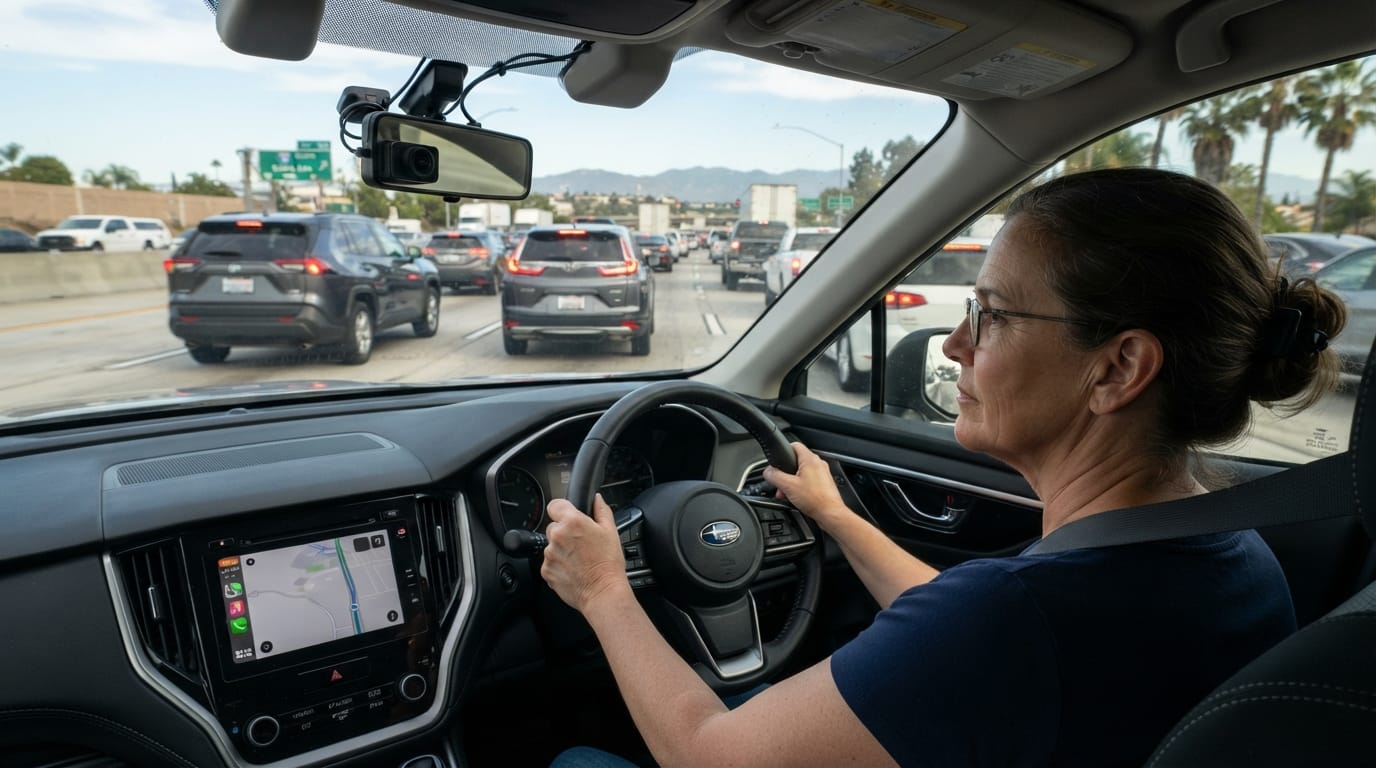
The strongest cases are built early. Preserve helmet-cam or dashcam footage immediately. Save app-based GPS logs if you use them. Photograph lane markings, final vehicle positions, scrape marks, debris, and damage points on both the motorcycle and the other vehicle. Pull nearby surveillance quickly. Get the police report. Identify witnesses before they disappear. If the insurer starts with a biased narrative, good evidence is what forces the conversation back to the actual crash instead of generic anti-rider assumptions.
What compensation may be available to an injured rider

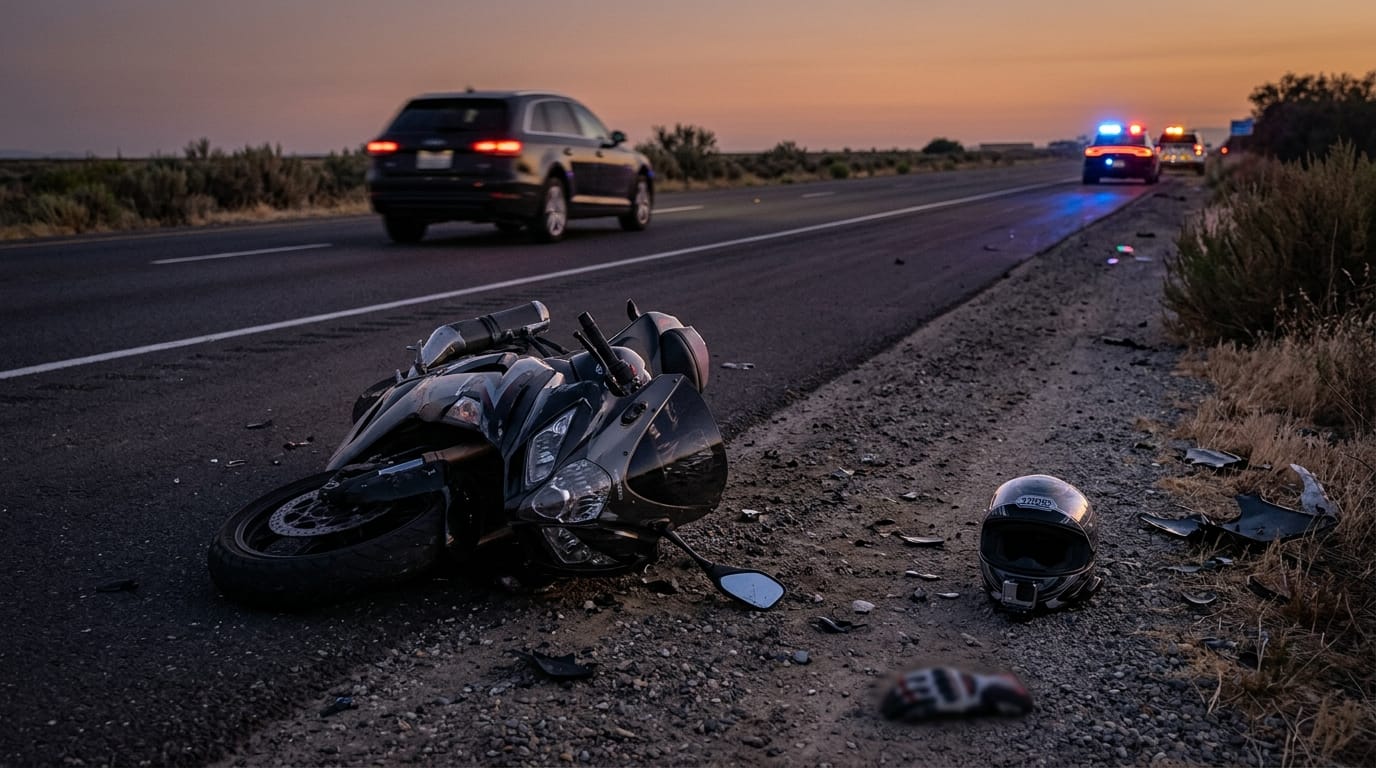
If fault can be proven, damages may include emergency treatment, surgery, hospitalization, rehabilitation, follow-up care, lost wages, reduced future earnings, motorcycle damage, pain and suffering, and long-term limitations. These crashes are often severe because even low-speed impacts can throw a rider down between or beside other vehicles. Broken wrists, shoulder injuries, lower-leg trauma, road rash, and head injuries are common in disputed side-swipe and lane-change scenarios.
Insurance issues can also get complicated quickly. The adjuster may argue partial fault to reduce the payout. A driver may deny moving over. A witness may only catch part of the event. If the at-fault driver flees, the claim may shift into uninsured motorist territory. That is another reason internal links to your hit-and-run and evidence posts make sense here. The audience reading this article is very likely to need those next-step pages too.
What riders should do right after a disputed filtering collision
First, get medical care and do not try to “tough it out.” Second, preserve every piece of evidence before the bike is repaired or moved too much. Third, avoid giving long recorded statements before you understand the rule that applies in the state where the crash happened. Fourth, document every symptom, expense, missed workday, and follow-up visit. Finally, review official state-law and safety resources instead of relying on rider forums or driver opinions. For a good starting point, readers can review the NCSL Traffic Safety Legislation Database and the NHTSA motorcycle safety page.
The bottom line is simple. Motorcycle lane filtering accident claims are getting harder and more important at the same time. Harder, because the rules differ by state and the defenses are predictable. More important, because riders are operating in a legal environment where filtering is being debated, expanded, restricted, and misunderstood all at once. A strong case depends on knowing the local rule, preserving the right evidence, and refusing to let stereotypes stand in for real crash analysis.
For a motorcycle law blog in 2026, this is exactly the kind of topic that can pull search traffic, support internal linking, and answer a real question riders are already asking after serious crashes: not just “Who hit me?” but also “Did the law where this happened change what my case is worth?”