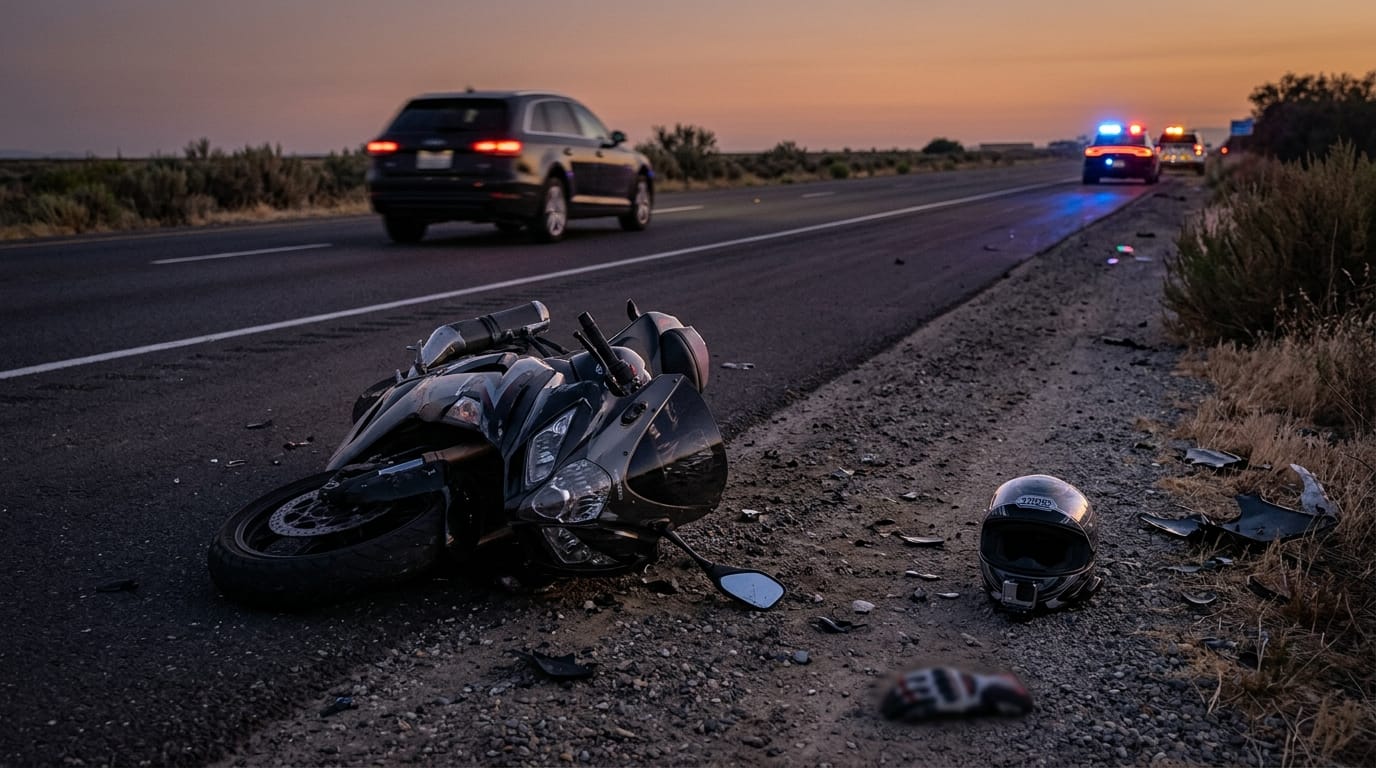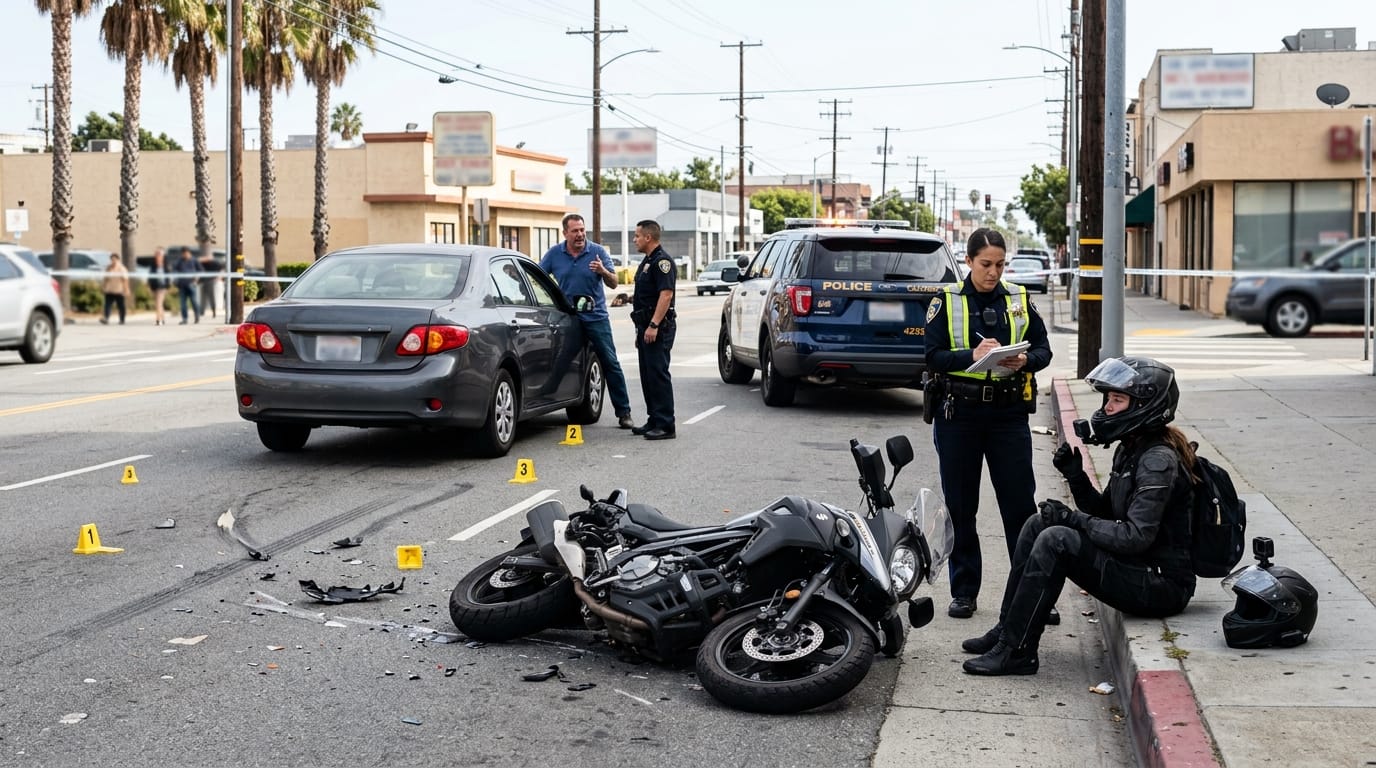
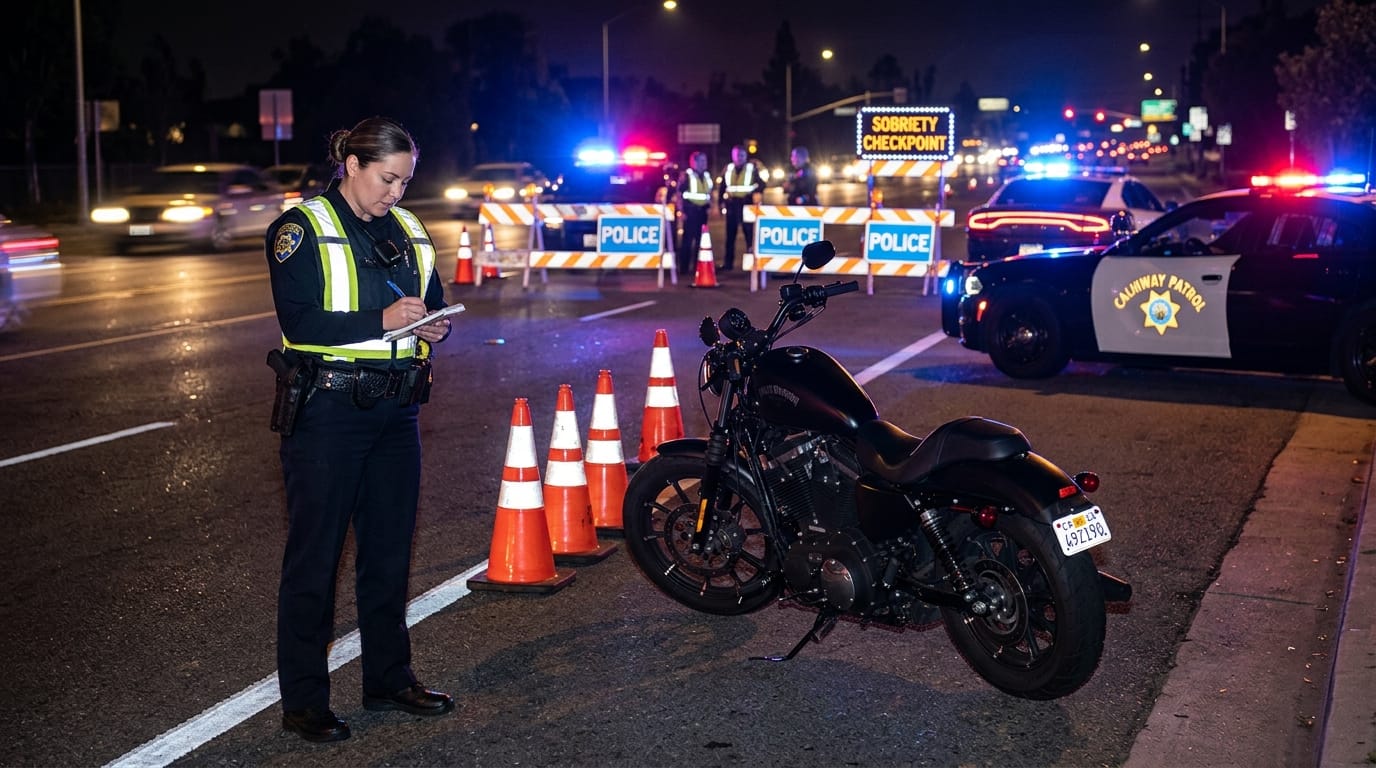
A motorcycle impaired driving accident claim can become complicated fast. Alcohol, cannabis, prescription medication, illegal drugs, fatigue, and mixed substances can all affect how a crash happened. They can also change how an insurance company handles fault.
Impaired driving does not only involve riders. A motorcycle crash may involve a drunk driver, a drug-impaired motorist, an impaired rider, or more than one impaired person. The insurance company may use that issue to shift blame, reduce compensation, or pressure the injured rider into a low settlement.
Motorcycle crashes already carry higher injury risks than ordinary car accidents. Riders do not have airbags, seat belts, or a metal frame around them. A crash caused by an impaired driver can lead to head trauma, broken bones, spinal injuries, road rash, internal injuries, nerve damage, or death.
The key issue is proof. A strong claim should show what caused the crash, who acted carelessly, what evidence supports the claim, and how the injuries changed the rider’s life.
Why Motorcycle Impaired Driving Claims Matter in 2026
Impaired driving remains a serious road safety issue. The National Highway Traffic Safety Administration says motorcycle operators involved in fatal crashes had the highest percentage of alcohol-impaired drivers among vehicle types. NHTSA also urges motorcyclists to ride sober and wear DOT-compliant helmets. Riders can review the official safety guidance here: NHTSA Motorcycle Safety.
California drivers and riders should also understand that impairment is not limited to alcohol. The California DMV explains that alcohol, cannabis, and other substances can create serious legal consequences when they affect driving. The DMV also warns that open alcohol or cannabis products must follow strict vehicle rules. Readers can review the DMV guidance here: California DMV alcohol and drugs guidance.
A motorcycle crash claim may involve several questions. Did the driver drink before the crash? Did the rider use cannabis or medication? Did police perform field sobriety tests? Were blood or breath results taken? Did witnesses notice slurred speech, odor, reckless driving, or delayed reaction time?
A motorcycle impaired driving accident claim should not depend on assumptions. It should depend on police records, medical evidence, witness statements, crash data, and the full timeline.
Alcohol can affect both fault and injury value
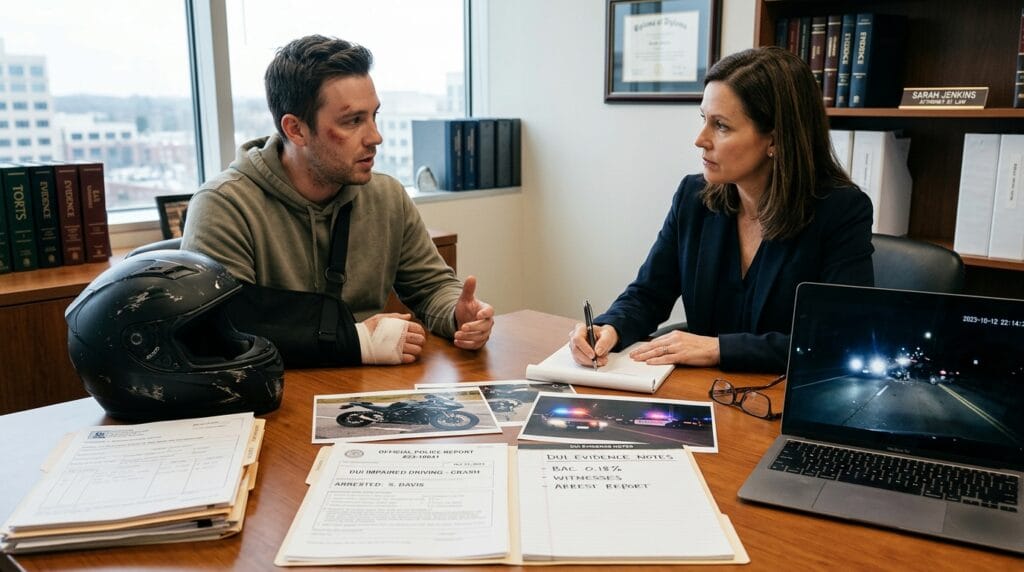
Alcohol can slow reaction time. It can reduce judgment. It can make a driver speed, drift, follow too closely, miss a motorcycle, or turn without enough distance. When an impaired driver hits a rider, the case may involve stronger fault evidence.
Police reports can become important. A report may include officer observations, sobriety testing, blood alcohol results, citations, arrests, witness statements, and crash details. Those facts may help show that impairment contributed to the collision.
Alcohol can also affect the value of the claim. A drunk driver may have acted with a higher level of carelessness than a distracted driver. In some cases, the facts may support a deeper investigation into punitive damages. That depends on the evidence and the law.
Police reports and chemical tests can support the claim
After a suspected DUI crash, police may collect evidence that matters later. Breath tests, blood tests, bodycam footage, dashcam footage, witness interviews, and officer notes may all help prove impairment.
Victims should request the police report when it becomes available. They should also preserve their own evidence. Photos, videos, damaged gear, helmet camera files, GPS data, and medical records can support the claim.
If the at-fault driver faced a DUI arrest, the civil injury case does not need to wait forever. Criminal cases and injury claims are separate. Still, evidence from the criminal investigation may help the civil claim.
Bars, hosts, and third parties may come up in rare cases
Most motorcycle impaired driving cases focus on the person who caused the crash. Sometimes, victims ask whether a bar, restaurant, party host, or event organizer may share responsibility.
California claims against alcohol providers are limited. The facts need careful review. Do not assume a bar or host is automatically liable just because someone drank before driving. The strongest claim usually starts with the impaired driver’s conduct.
That said, third-party evidence can still matter. Receipts, social media posts, videos, witness statements, and ride-share records may show the driver’s condition before the crash. This information can help prove the timeline.
Drug impairment can be harder to prove than alcohol impairment
Drug impairment can create harder evidence problems. Alcohol has breath and blood testing standards. Drug cases can be more complex. A person may have cannabis, prescription medication, or other substances in their system, but the claim still needs proof that impairment affected driving.
California drivers can face DUI issues for alcohol, drugs, or a combination of substances. A driver may be impaired by legal medication if that medication affects driving ability. A legal prescription does not give someone permission to drive unsafely.
A motorcycle rider can also face blame if the insurer claims the rider was impaired. The insurer may look for hospital toxicology results, police notes, social media posts, and witness comments. Riders should not guess about impairment issues. They should rely on records and legal guidance.
Prescription medication and cannabis can create insurance disputes
Prescription medication and cannabis can create messy claims. An insurance company may argue that the rider was impaired even when the crash came from a driver’s unsafe turn, lane change, or distraction. That argument can reduce the claim if it succeeds.
Evidence should answer the real question. Did impairment cause the crash or contribute to the injury? A positive test alone may not tell the whole story. The case should review driving behavior, reaction time, lane position, speed, visibility, and crash mechanics.
This is where crash evidence becomes critical. Your site already has a useful article on AI dashcams and motorcycle accident evidence. That internal link fits well because video can show what happened before impact.
How Insurance Companies Use Impairment to Reduce Claims
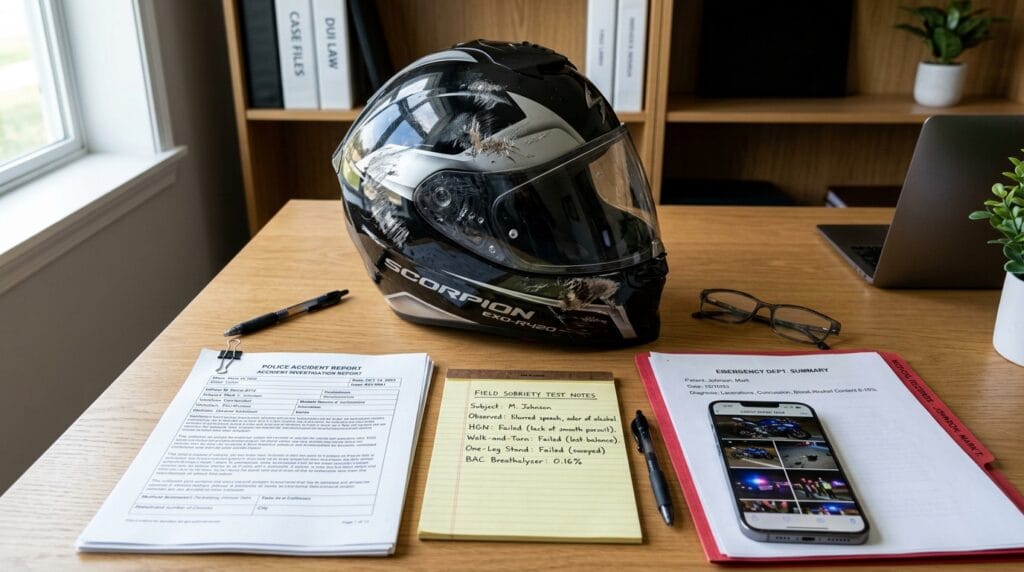
Insurance companies often look for comparative fault. In a motorcycle impaired driving accident claim, they may argue that the rider made unsafe choices. They may point to alcohol, cannabis, medication, speed, lane position, or riding behavior.
This does not mean the insurer is right. It means the injured rider needs strong proof. California injury claims can involve shared fault. If an insurer assigns part of the blame to the rider, compensation may decrease. That makes evidence important from the start.
Insurers may also use rider bias. They may assume riders are reckless. They may focus on the motorcycle instead of the driver who caused the crash. A clear evidence record can push back against that unfair approach.
Evidence can make or break an impaired driving crash claim
Useful evidence may include police reports, DUI arrest records, breath or blood results, officer observations, witness statements, surveillance video, dashcam footage, helmet camera footage, crash photos, vehicle damage, skid marks, medical records, and toxicology reports.
Riders should also save damaged gear. Helmets, jackets, gloves, boots, pants, camera mounts, and communication devices may show impact force. Photos of the motorcycle and other vehicle can also help explain the crash.
Medical documentation matters too. Your site already has a strong guide on motorcycle injury documentation. That internal link supports this topic because impairment claims often turn on both crash proof and injury proof.
Blind spot crashes can also overlap with impaired driving claims. A driver may say they never saw the motorcycle. If alcohol or drugs affected attention, that excuse may become weaker. For more fault-specific context, readers can visit your article on California motorcycle blind spot accident claims.
Do not give a rushed statement after a suspected DUI crash
Insurance adjusters may call soon after the crash. They may ask whether the rider drank, used medication, smoked cannabis, felt tired, or remembered every detail. These questions can sound normal. They can also protect the insurer.
Do not guess about speed, timing, distance, or impairment. A rider with a concussion, pain, medication, or stress may not remember everything clearly. Guessing can damage the claim.
Keep statements factual. Get medical care. Preserve evidence. Speak with an attorney before accepting blame or signing a release.
Settlement should wait until the full damage picture is clear
Motorcycle injuries can take time to understand. A rider may need surgery, therapy, imaging, pain care, neurological treatment, or long recovery time. Some injuries affect work, sleep, riding ability, family life, and mental health.
A quick settlement may not include future care. It may also ignore lost income, reduced earning ability, scarring, chronic pain, emotional distress, and permanent limitations. Once the rider signs a release, the claim usually ends.
Before settling, review every damage category. Medical bills, future treatment, lost wages, bike repairs, gear replacement, pain and suffering, and long-term symptoms may all matter.
A motorcycle impaired driving accident claim needs careful handling. Alcohol and drug allegations can help prove fault when the other driver was impaired. They can also hurt the rider if the insurance company uses them unfairly. The right response is not panic. The right response is evidence.
If you were injured in a motorcycle crash involving suspected alcohol, drugs, or impairment, protect the claim early. Get medical care, save your gear, preserve video, request the police report, document symptoms, and avoid rushed insurance statements. For more rider-focused legal help, visit the Motorcycle Accident Law Firm services page or explore the motorcycle accident blog.