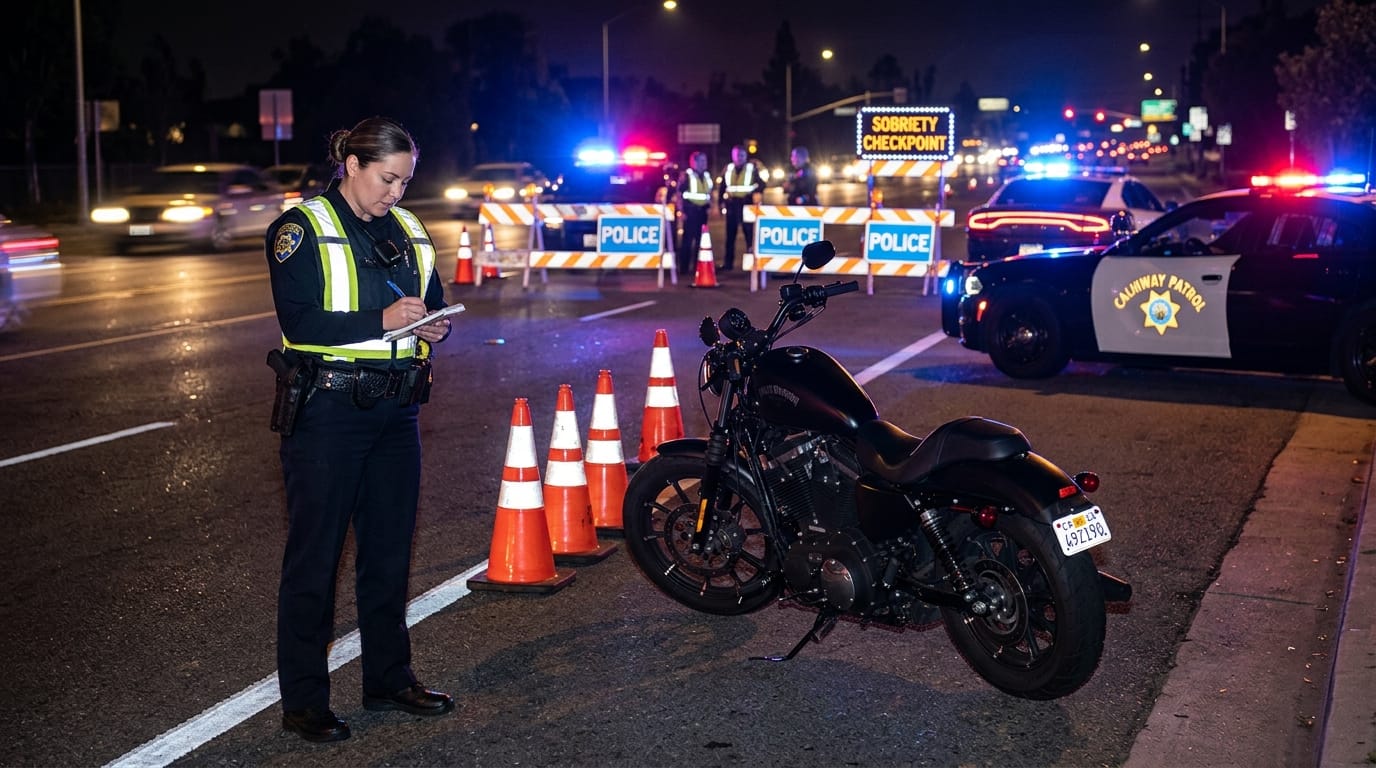

Being involved in a motorcycle accident can turn your life upside down in an instant. Beyond the physical injuries and emotional trauma, you’re suddenly faced with complex legal questions, insurance claims, and financial uncertainties. Understanding your legal rights after a motorcycle crash is crucial for protecting your well-being and securing the compensation you deserve.
Whether you were struck by a negligent driver, injured due to road hazards, or harmed because of a defective motorcycle part, you have specific legal protections under the law. This comprehensive guide will walk you through everything you need to know about your rights as a motorcycle accident victim and how to navigate the legal process effectively.
Your Fundamental Legal Rights as a Motorcycle Accident Victim
After a motorcycle accident, you possess several important legal rights that protect your interests and enable you to seek justice. First and foremost, you have the right to hold the at-fault party accountable for your injuries and losses. This applies whether the responsible party is another driver, a motorcycle manufacturer, a government entity responsible for road maintenance, or any other negligent party.
You also have the right to file an insurance claim with the at-fault party’s insurance company to pursue compensation for your medical expenses, lost wages, property damage, and other losses. In most states, motorcycle accidents follow fault-based insurance systems, which means the party responsible for causing the accident is liable for the resulting damages.
Additionally, you have the right to reject inadequate settlement offers from insurance companies. Many insurers attempt to minimize payouts by offering lowball settlements early in the process, hoping victims will accept before understanding the full extent of their injuries and losses. You are under no obligation to accept the first offer and can continue negotiating for fair compensation.
The Right to Legal Representation
One of your most valuable rights is the ability to consult with and hire a motorcycle accident attorney. Legal representation can make a significant difference in the outcome of your case, as experienced attorneys understand how to navigate complex insurance negotiations, gather compelling evidence, and build strong cases that withstand scrutiny from insurance companies and defense lawyers.
Proving Fault and Establishing Negligence
To recover compensation after a motorcycle accident, you typically need to prove that another party was negligent and that their negligence directly caused your injuries. Proving negligence requires establishing four key elements: duty of care, breach of duty, causation, and damages.
All drivers have a legal duty to operate their vehicles with reasonable care to avoid harming others. When a driver breaches this duty through actions like speeding, texting while driving, running red lights, or driving under the influence, they may be held liable for resulting accidents. You must then demonstrate that this breach directly caused the collision and your injuries.
Common Causes of Motorcycle Accidents
Understanding common accident causes can help establish fault in your case. Frequent causes include drivers failing to check blind spots before changing lanes, making left turns in front of oncoming motorcycles, following too closely, and driving distracted or impaired. Road hazards such as potholes, debris, or poor signage can also lead to accidents, potentially making government entities liable.
In some cases, defective motorcycle parts or design flaws may cause accidents. Product liability claims can be filed against manufacturers, distributors, or retailers when faulty brakes, tires, or other components contribute to crashes.
Types of Compensation Available to Motorcycle Accident Victims
Motorcycle accident victims may be entitled to various forms of compensation, often categorized as economic and non-economic damages. Economic damages include quantifiable losses such as medical expenses, rehabilitation costs, prescription medications, lost wages, loss of earning capacity, and property damage to your motorcycle and gear.
Non-economic damages compensate for intangible losses that are more difficult to quantify but equally important. These include physical pain and suffering, emotional distress, loss of enjoyment of life, permanent disability or disfigurement, and loss of consortium for your spouse or family members.
Calculating Fair Compensation
Determining the value of your motorcycle accident claim involves carefully documenting all current and future losses. Medical expenses should include not only immediate treatment costs but also projected future medical care, physical therapy, and any necessary medical equipment or home modifications. Lost wages must account for time already missed from work and potential future earning capacity if your injuries prevent you from returning to your previous employment.
The severity and permanence of your injuries significantly impact your compensation amount. Catastrophic injuries such as traumatic brain injuries, spinal cord damage, or severe burns typically result in higher settlements or verdicts due to their life-altering nature and ongoing care requirements.
Navigating the Insurance Claims Process
Filing an insurance claim after a motorcycle accident involves several important steps. You’ll typically need to notify your own insurance company about the accident and may also file a claim with the at-fault party’s insurer. However, dealing with insurance companies requires caution, as adjusters often employ tactics to minimize payouts or deny valid claims.
Insurance companies may attempt to shift blame onto you, claim your injuries aren’t as severe as stated, or argue that your medical treatment was unnecessary. They might also use recorded statements against you or pressure you into accepting quick settlements before you understand the full extent of your damages. This is why having legal representation is so valuable — an experienced attorney knows how to counter these tactics effectively.
What Not to Do When Dealing with Insurance Companies
Several common mistakes can jeopardize your claim. Never provide recorded statements to the other party’s insurance company without consulting an attorney first, as adjusters may use your words to diminish your claim. Avoid posting about your accident or injuries on social media, as insurance companies regularly monitor social media profiles for evidence to use against claimants. Don’t accept settlement offers without fully understanding your injuries and consulting with a legal professional.
When to File a Lawsuit
While many motorcycle accident cases settle through insurance negotiations, some circumstances warrant filing a personal injury lawsuit in civil court. You might need to pursue litigation if the insurance company refuses to offer reasonable compensation, denies your valid claim, or disputes liability despite clear evidence of fault.
Lawsuits may also be necessary when multiple parties share responsibility for your accident, when your damages exceed available insurance policy limits, or when complex legal questions arise that require judicial determination. An experienced motorcycle accident attorney can advise whether litigation is appropriate for your situation.
Understanding Statutes of Limitations
Every state has a statute of limitations — a legal deadline — for filing personal injury lawsuits. These deadlines typically range from one to six years depending on your state, with two to three years being most common. Missing this deadline usually means losing your right to pursue compensation through the courts permanently. State-specific laws can significantly impact your case, making it essential to consult with an attorney promptly after your accident.
Protecting Your Rights After an Accident
Taking the right steps immediately after a motorcycle accident can significantly strengthen your legal position. If you’re physically able, document the accident scene by taking photographs of vehicle positions, damage, road conditions, traffic signals, and visible injuries. Collect contact information from witnesses and other involved parties.
Seek immediate medical attention, even if you don’t think you’re seriously injured. Some injuries, particularly internal injuries and traumatic brain injuries, may not be immediately apparent. Medical documentation also creates an important record linking your injuries to the accident, which is crucial for your claim.
Preserving Evidence
Preserve all evidence related to your accident, including your damaged motorcycle and riding gear, as they may contain crucial evidence for product liability claims or demonstrating impact severity. Keep detailed records of all medical treatments, prescriptions, therapy sessions, and related expenses. Maintain a journal documenting your pain levels, physical limitations, emotional state, and how injuries affect your daily life.
Special Considerations for Motorcycle Accident Cases
Motorcycle accident cases often face unique challenges not present in standard car accident claims. One significant issue is bias against motorcyclists. Insurance companies and juries sometimes harbor prejudices suggesting that motorcycle riders are reckless or assumed the risk of injury by choosing to ride. Overcoming these biases requires compelling evidence and skilled legal representation.
Helmet laws also play a role in many motorcycle accident cases. While helmet laws vary by state, failing to wear a helmet — even in states where it’s not legally required — could potentially be used to argue that you contributed to the severity of your injuries, possibly reducing your compensation. Understanding how your state’s comparative or contributory negligence laws apply is essential.
Comparative and Contributory Negligence Rules
States follow different rules for cases where both parties share some degree of fault. In states with comparative negligence laws, your compensation may be reduced by your percentage of fault, but you can still recover damages. However, a few states follow contributory negligence rules, where being even one percent at fault can completely bar recovery. Your attorney can explain how your state’s rules affect your case.
The Value of Experienced Legal Representation
While you have the right to handle your motorcycle accident claim independently, partnering with an experienced attorney significantly improves your chances of securing fair compensation. Motorcycle accident lawyers understand the specific challenges these cases present and know how to build compelling arguments that overcome bias and insurance company resistance.
Attorneys can investigate your accident thoroughly, gathering evidence that you might not be able to access on your own. They can obtain surveillance footage before it’s deleted, request driver phone records, consult with accident reconstruction experts, and secure testimony from medical professionals about your injuries and prognosis. This comprehensive approach creates stronger cases that insurance companies take seriously.
Most motorcycle accident attorneys work on a contingency fee basis, meaning you pay no upfront costs and only owe attorney fees if you recover compensation. This arrangement makes quality legal representation accessible regardless of your financial situation and ensures your attorney is motivated to maximize your recovery.
Taking Action to Protect Your Future
Understanding your rights after a motorcycle accident is the first step toward recovery and justice. The actions you take in the days and weeks following your crash can significantly impact the outcome of your case and your ability to secure the compensation you need to rebuild your life.
Don’t let insurance companies take advantage of your vulnerable situation. You deserve fair compensation for your injuries, losses, and suffering. By knowing your rights, avoiding common pitfalls, and working with experienced legal counsel, you can navigate the complex legal process with confidence and protect your financial future.
Remember that time is of the essence — evidence can disappear, witnesses’ memories fade, and legal deadlines approach. If you’ve been injured in a motorcycle accident, consult with a qualified motorcycle accident attorney as soon as possible to discuss your case and explore your legal options. Your future depends on the decisions you make today.