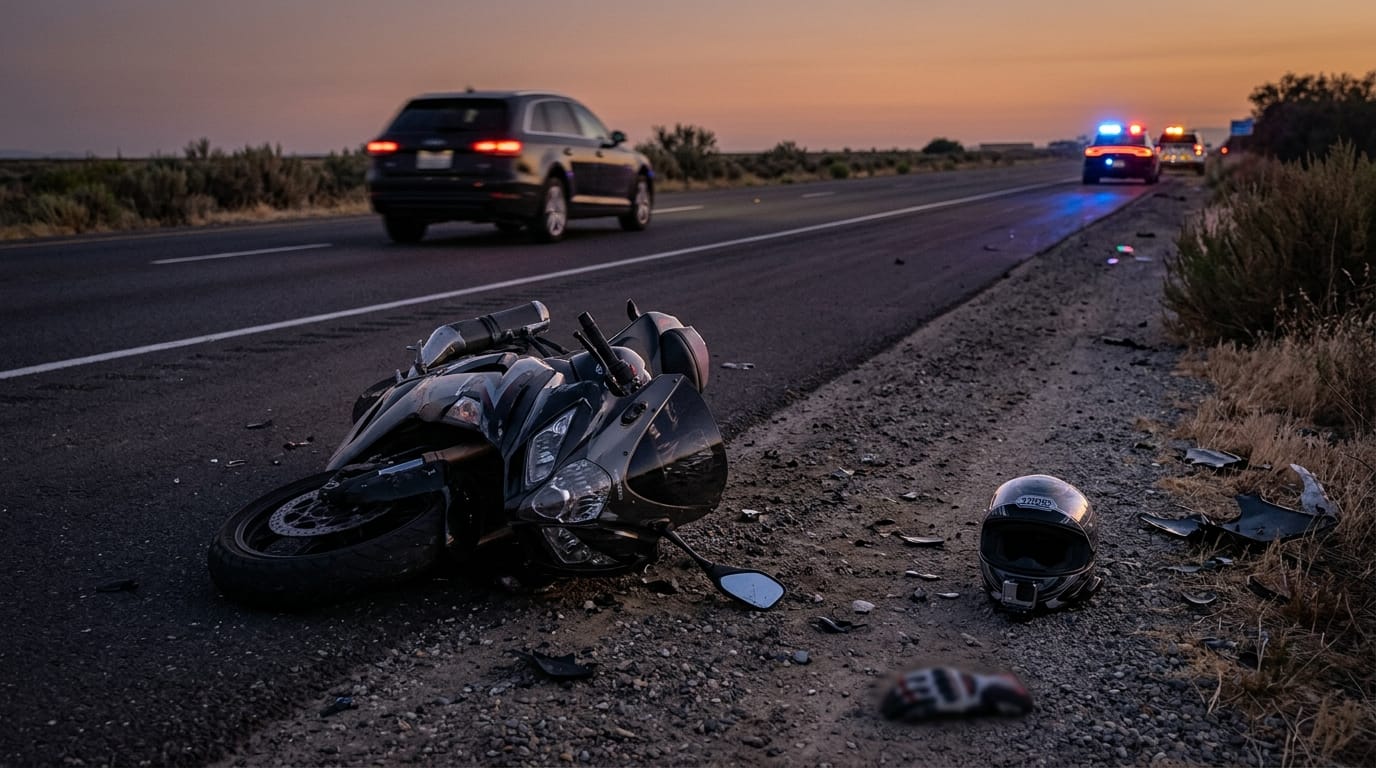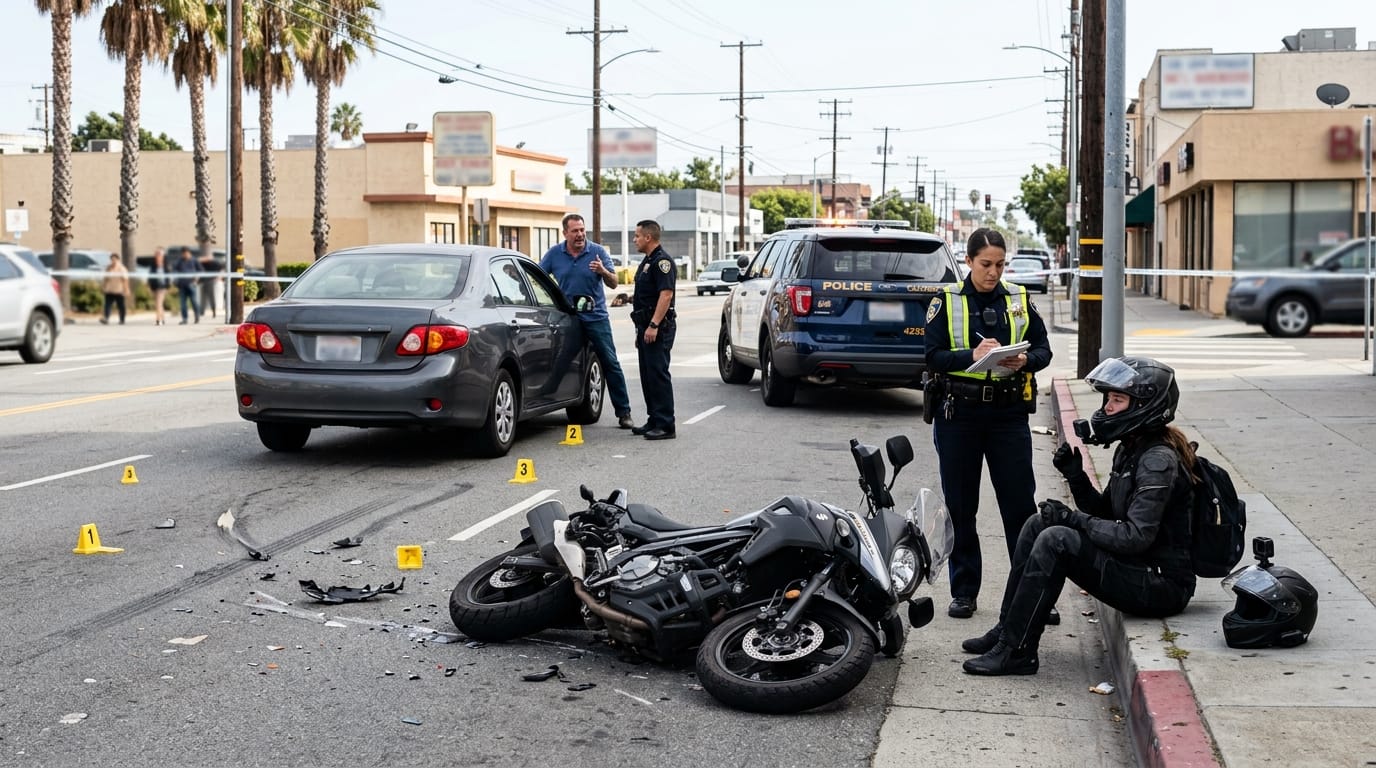
A motorcycle recall accident can involve more than the actions of a rider or another driver. A defective throttle, brake component, tire, fuel system, or electrical part can also contribute to a crash.
That issue received renewed attention in 2026 after federal safety regulators announced a recall involving thousands of KTM motorcycles. According to the National Highway Traffic Safety Administration, certain motorcycles can lose throttle response while riding because moisture may enter the electronic throttle control.
A sudden loss of power can create a serious hazard. A rider may be merging onto a highway, crossing an intersection, accelerating away from traffic, or leaning through a curve when the motorcycle unexpectedly drops to idle.
After a crash, riders should not assume that driver error tells the entire story. The motorcycle itself may contain evidence that explains why the collision occurred.
This guide explains how recalls can affect motorcycle accident investigations, what riders should preserve, and why repairs or salvage can destroy valuable evidence if they happen too soon.
Why a Motorcycle Recall Accident Requires a Different Investigation
Most motorcycle crashes begin with familiar questions. Did another driver fail to yield? Did someone make an unsafe lane change? Was excessive speed involved? Did poor road conditions contribute?
A suspected mechanical defect adds another layer.
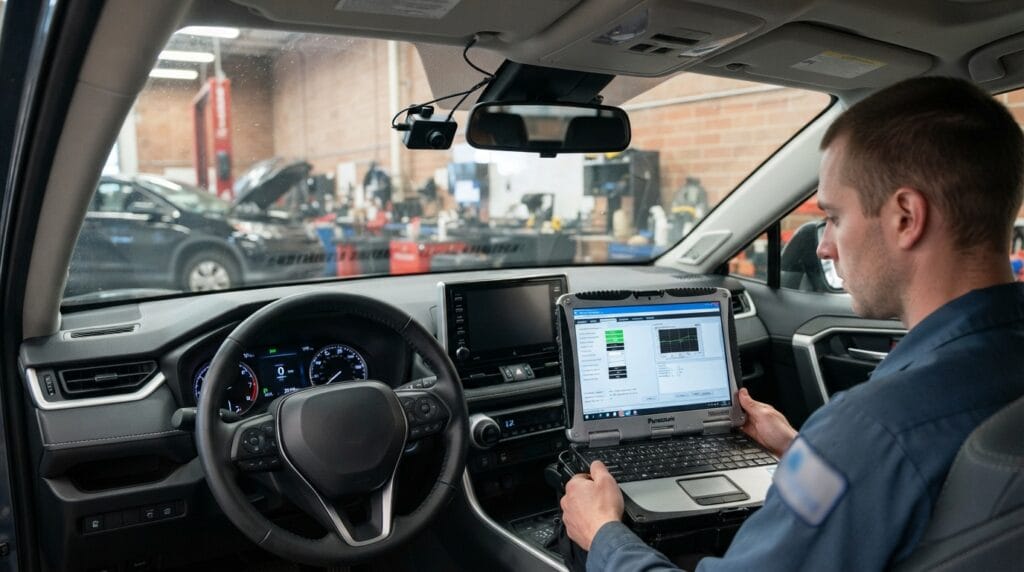
Investigators may need to examine the motorcycle’s service history, recall status, electronic systems, damaged components, and manufacturer records. They may also need to determine whether the rider experienced unusual behavior shortly before impact.
That process can reveal whether a defect contributed to the crash or whether the motorcycle operated normally.
The 2026 KTM Throttle Recall Shows Why Mechanical Evidence Matters
NHTSA campaign 26V196 covers certain 2022–2023 KTM 390 Duke and 2022–2024 KTM RC 390 motorcycles. Federal records list 7,974 potentially affected units.
The defect involves the electronic throttle control. Moisture can migrate into the component and damage an electrical connection. When the motorcycle’s electronic control unit detects conflicting throttle signals, the engine can revert to idle.
That means the rider may twist the throttle but receive little or no expected acceleration.
NHTSA states that loss of drive power while riding can increase the risk of a crash or injury. KTM’s remedy calls for dealers to inspect and replace the affected electronic throttle control free of charge.
Owners should verify recall status by VIN rather than relying only on model year. A recall normally covers a defined production group, not every motorcycle with the same model name.
Unexpected Power Loss Can Be Dangerous Even Without Complete Engine Failure
A motorcycle does not need to shut off completely to create a dangerous situation.
Imagine a rider entering fast-moving traffic. The rider expects normal acceleration but the engine suddenly drops to idle. A vehicle approaching from behind may close the gap before the rider can reach a safe location.
The same issue can matter during a left turn across traffic. A motorcycle that loses power halfway through the maneuver can remain exposed in an intersection longer than expected.
Power loss can also disrupt stability. Motorcycles depend heavily on smooth rider inputs. An unexpected change in engine response during a curve can force a rider to adjust quickly.
These examples do not prove that a recalled component caused a particular accident. They show why investigators need to examine the motorcycle rather than assuming every crash resulted from rider behavior.
A Recall Does Not Automatically Prove Liability
The existence of a recall can be important evidence, but it does not automatically prove that the defect caused an individual crash.
Investigators still need to connect the defect to what happened.
For example, a motorcycle could fall within the recall population but already have received the proper repair. Another bike might have an open recall but crash for an unrelated reason.
A rider might also experience power loss because of fuel problems, unauthorized modifications, electrical damage, or another mechanical issue.
The investigation should answer several questions. Was the motorcycle included in the recall? Was the recall repair completed? Did the affected component remain on the bike? Did the rider report throttle problems before the collision? Do diagnostic records support that account?
Those details help separate a suspected defect from an actual contributing cause.
Several Parties May Become Relevant in a Defect-Related Motorcycle Crash
A normal motorcycle accident often focuses on the rider and other motorists. A product-related case can involve additional businesses.
Depending on the evidence, investigators may examine the motorcycle manufacturer, component supplier, dealership, repair facility, distributor, or seller.
A dealership may also have relevant records if technicians previously inspected the motorcycle or performed recall work.
None of these parties becomes responsible simply because they appear in the motorcycle’s history. Liability depends on the defect, the applicable law, the repairs performed, and the connection between the problem and the rider’s injuries.
Dealer and Maintenance Records Can Help Build the Timeline
Keep every motorcycle service record you can find.
Useful documents include purchase paperwork, maintenance invoices, recall notices, warranty records, repair estimates, diagnostic reports, parts receipts, and emails with dealerships.
These records can show when a problem first appeared. They can also show whether the rider previously reported throttle hesitation, stalling, warning lights, braking problems, or other symptoms.
Recall records may establish when the manufacturer notified owners and when a remedy became available.
If someone bought the motorcycle used, previous service history can become especially important. A new owner may not know that an earlier owner received a recall notice or complained about the same mechanical condition.
What to Preserve After a Motorcycle Recall Accident
Medical care comes first after any serious motorcycle crash. Riders have far less physical protection than occupants of passenger vehicles, so even a relatively low-speed collision can cause significant injuries.
Common injuries include fractures, head trauma, road rash, shoulder injuries, spinal injuries, knee damage, and internal injuries.
After immediate medical needs are addressed, preserve the motorcycle.
Do not rush to authorize major repairs or allow a severely damaged bike to disappear into a salvage system when a mechanical defect may have contributed to the crash.
Preserve the Motorcycle Before Repair, Modification, or Disposal
The motorcycle can become one of the most important pieces of evidence in a motorcycle recall accident.
Photograph the bike from every side. Take close photos of the throttle controls, handlebars, instrument panel, brakes, tires, cables, damaged areas, and warning indicators.
Save the VIN. Use it to check for open recalls through NHTSA.
If the motorcycle contains electronic diagnostic information, do not reset or overwrite it without first considering whether the data could matter.
Also preserve aftermarket components. Riders often modify exhaust systems, engine controls, suspension, handlebars, lighting, or other parts. Investigators may need to distinguish factory equipment from later modifications.
A mechanic should document any inspection carefully. If technicians remove a suspected defective component, record who removed it, when they removed it, and where it went afterward.
Do Not Let a Total-Loss Process Destroy Important Evidence
Insurance companies often move damaged motorcycles quickly after a crash. A badly damaged bike may go from a tow yard to an inspection location and then to a salvage auction.
That process can make sense for an ordinary property-damage claim. It can create problems when the motorcycle itself may explain the accident.
Once a bike is sold, dismantled, or crushed, an investigator may lose the chance to inspect the throttle system, brakes, tires, electronics, or other important components.
Notify the insurer when you believe a product defect or unresolved recall may have contributed to the crash. Keep that communication in writing.
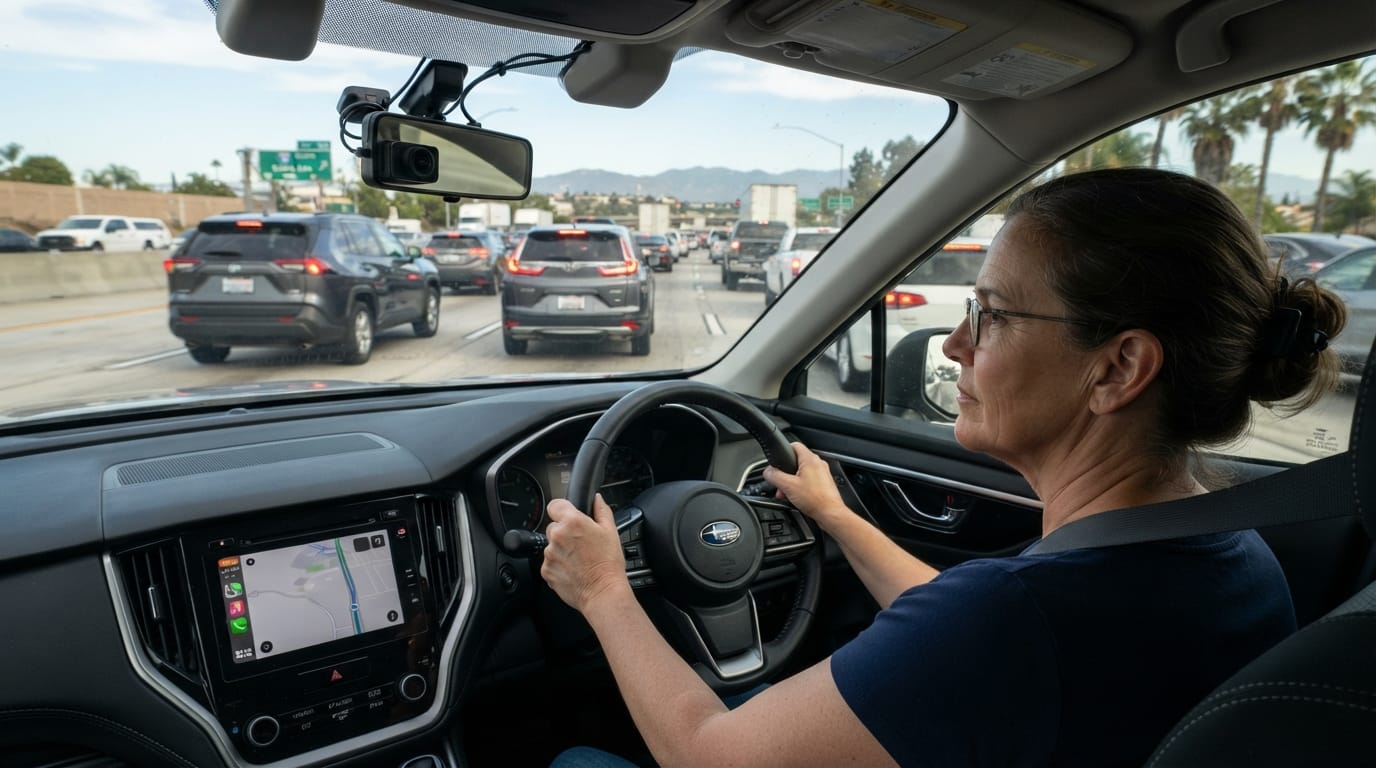
Preserve scene evidence as well. Save photographs, helmet-camera video, dashcam recordings, witness information, police reports, towing records, and medical documentation.
NHTSA allows motorcycle owners to search current safety recalls by VIN. Its recall database also provides information about investigations, manufacturer communications, and remedies. You can check a motorcycle through the official NHTSA recall database.
Do not ignore a recall simply because the motorcycle appears to operate normally. Safety recalls exist because manufacturers or federal regulators identified a condition that may create an unreasonable safety risk.
At the same time, avoid assuming that every crash involving a recalled bike becomes a product liability case. Investigators still need evidence connecting the defect to the collision.
The 2026 KTM recall provides a useful example. NHTSA says moisture can affect the electronic throttle connection and cause the engine to revert to idle. That problem could matter greatly if a rider reports sudden loss of acceleration immediately before a crash.
It may matter far less if evidence shows another driver simply ran a red light while the motorcycle operated normally.
That distinction is why early evidence matters.
After a suspected motorcycle recall accident, preserve the bike, verify its VIN, collect service records, save recall notices, document the crash scene, and avoid unnecessary repairs until the cause is better understood.
A motorcycle contains more than damaged metal after a serious collision. It may contain the evidence needed to explain why the crash happened.
This article provides general educational information and does not constitute legal advice. Product liability, negligence, insurance coverage, recall obligations, and evidence-preservation requirements depend on the specific motorcycle, accident, jurisdiction, and facts.