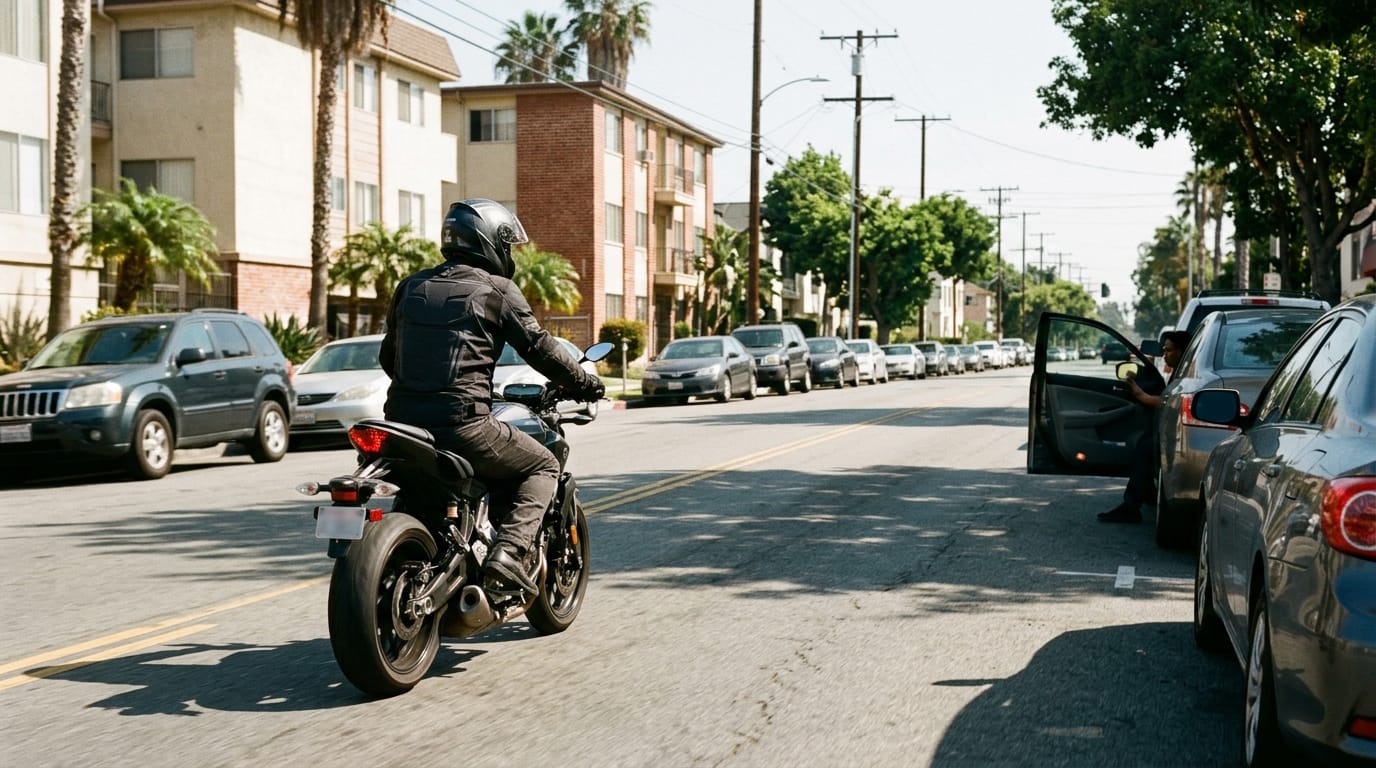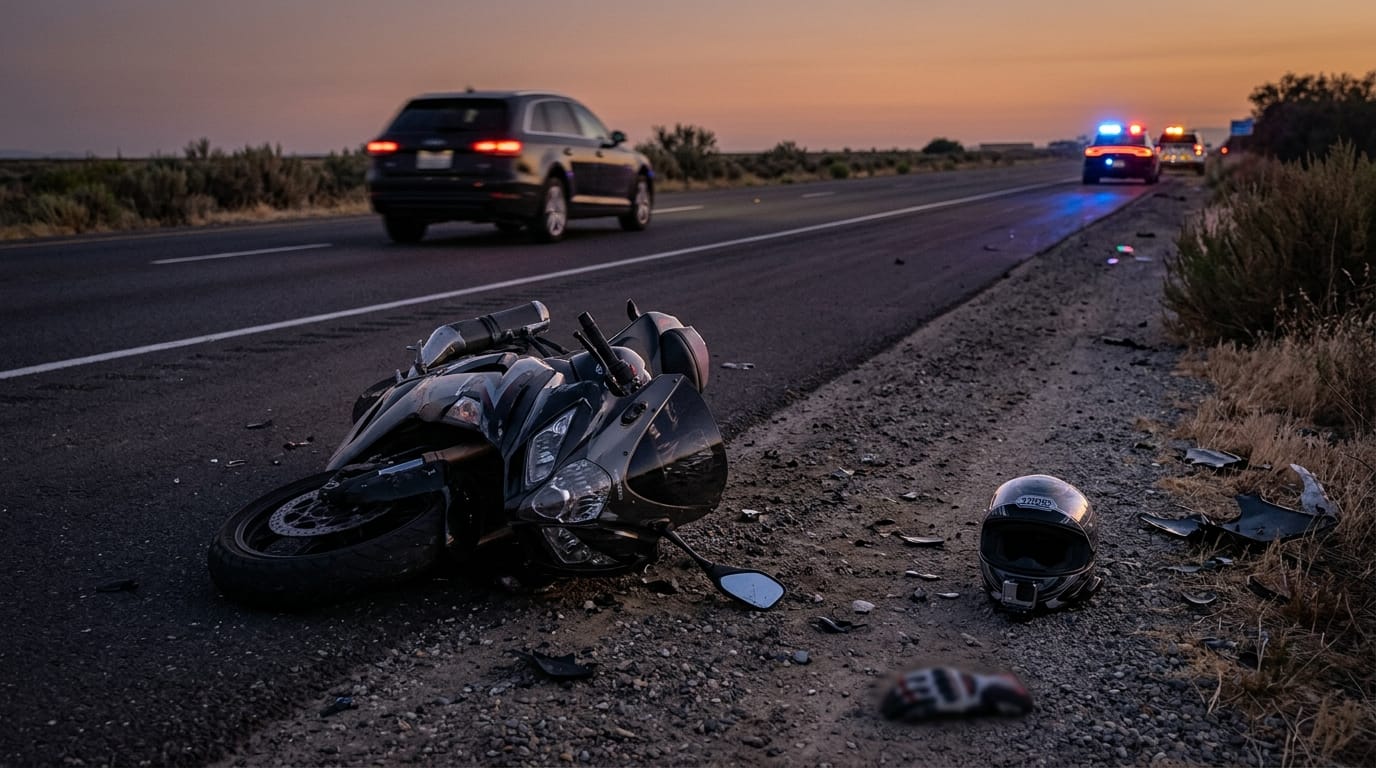
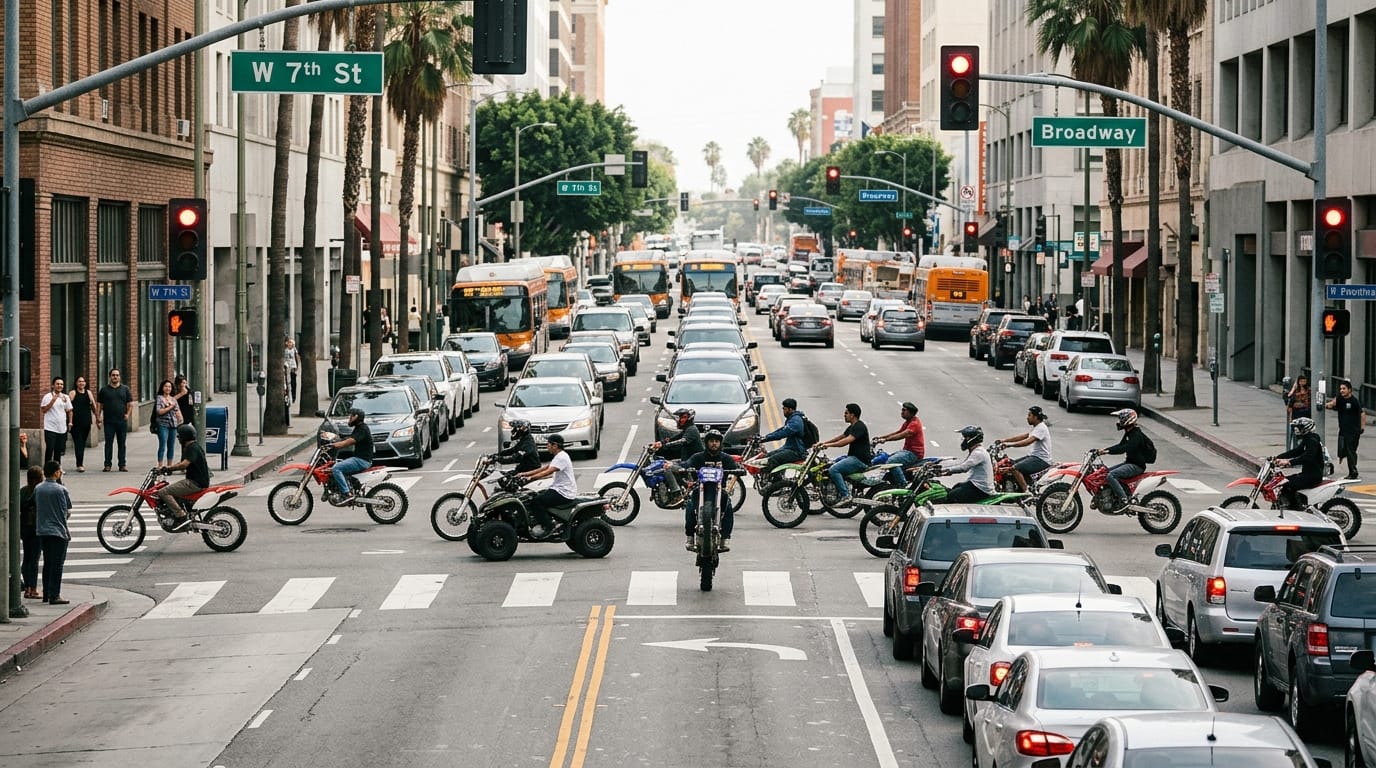
Motorcycle street takeover accidents are becoming a serious safety and legal issue in California. These events may involve dirt bikes, ATVs, motorcycles, mini bikes, or other off-road vehicles riding together on public streets and highways. Some riders block traffic. Others perform stunts, ride without plates, ignore signals, or flee when police arrive.
For everyday drivers, pedestrians, and lawful motorcyclists, these situations can turn dangerous fast. A group ride can overwhelm an intersection. A rider can lose control. A driver can brake suddenly to avoid a bike. A pedestrian can get hit while crossing near blocked traffic. When a crash happens, the legal claim can become more complicated than a normal motorcycle accident.
Recent California enforcement actions show why this topic matters. Law enforcement agencies have targeted group ride takeovers because they can create traffic shutdowns, emergency delays, property damage, and serious injury risks. Victims may face a hard question after the crash: who pays when the rider disappears, lacks insurance, or uses an illegal vehicle?
This guide explains how motorcycle street takeover accidents happen, who may be liable, what evidence matters, and what injured victims should do after a crash involving dirt bikes, ATVs, or reckless group riding.
Why Motorcycle Street Takeover Accidents Are a Growing Concern
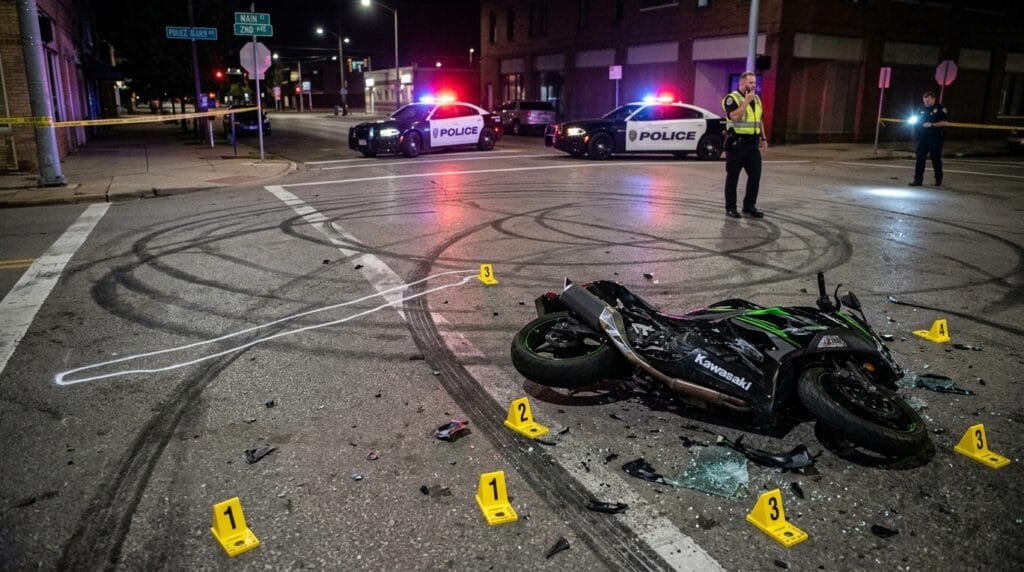
Street takeovers are not the same as lawful motorcycle group rides. Many riders join organized rides safely. They follow traffic laws, keep proper spacing, use licensed bikes, and respect other road users. A takeover is different. It often involves blocking traffic, riding against signals, performing stunts, speeding, or using vehicles that do not belong on public roads.
This creates risk for everyone nearby. Drivers may stop suddenly when dozens of riders enter the roadway. A motorcyclist may swerve to avoid an ATV. A pedestrian may step into a crosswalk while riders ignore traffic controls. Emergency vehicles may also struggle to pass through blocked streets.
California law already treats reckless driving and speed exhibitions seriously. Victims do not need to know the criminal code to understand the civil issue. If someone rides in a way that puts others at risk, that conduct can support a personal injury claim.
How Takeovers Differ From Lawful Group Rides
A lawful group ride usually has structure. Riders use street-legal motorcycles, obey signals, avoid blocking intersections, and ride with reasonable spacing. They may use hand signals or a route plan, but they still follow traffic laws.
A takeover often does the opposite. Riders may flood lanes, surround vehicles, stop traffic, run red lights, or perform wheelies near cars. Some vehicles may have no license plates. Some may be dirt bikes or ATVs designed for off-road use, not public highways.
That difference matters after a crash. A lawful rider may face a standard negligence claim if they make a mistake. A takeover rider may face stronger liability arguments because the entire activity may show reckless disregard for public safety.
Illegal Dirt Bikes and ATVs Create Insurance Problems
Insurance often becomes the biggest problem after motorcycle street takeover accidents. A street-legal motorcycle may have liability coverage. An illegal dirt bike or ATV may not. If the rider has no insurance, the injured person may need to search for other coverage.
Possible options may include uninsured motorist coverage, homeowner policies, vehicle owner liability, business coverage, or claims against another negligent party. The answer depends on the facts. Victims should not assume there is no recovery just because the rider fled or lacked insurance.
Blocked Traffic Can Cause Chain-Reaction Crashes
A takeover can cause injuries even without direct contact. A driver may brake hard to avoid a group of riders. Another vehicle may rear-end that driver. A motorcyclist may lay the bike down to avoid hitting an ATV. A pedestrian may fall while trying to escape the chaos.
Insurance companies may argue that no one person caused the crash. That argument can delay payment. Strong evidence can show how the takeover triggered the chain reaction. Photos, video, witness statements, police reports, and traffic camera footage can help connect the reckless riding to the injury.
Who May Be Liable After a Takeover Crash?
Liability depends on who caused the harm. The rider who hit someone may be liable. A rider who blocked traffic may also share fault if that blockage caused a crash. Other riders may face scrutiny if they helped organize, encourage, or participate in dangerous conduct.
A vehicle owner may also matter. If someone loaned a dirt bike or ATV to an unlicensed or reckless rider, the injured person may look at negligent entrustment. If a parent allowed a minor to ride an illegal vehicle on public streets, supervision may become part of the claim.
Commercial parties can also enter the picture. A delivery driver, rideshare driver, or truck operator may react badly during a takeover and cause a second crash. In that situation, the claim may involve both the takeover activity and the careless driver.
Hit-and-Run Issues Are Common
Many takeover crashes involve riders who flee. Some leave because the vehicle has no plate. Others fear arrest, impound, or insurance consequences. For injured victims, this creates a hit-and-run problem.
Act quickly if the rider leaves. Write down descriptions, clothing, bike color, decals, helmet type, direction of travel, and any vehicle used to transport the bike. Nearby cameras may capture loading areas, license plates, or the group’s route. You can also review this site’s guide on motorcycle hit-and-run accidents in California for more claim steps.
What Victims Should Do After a Motorcycle Street Takeover Crash
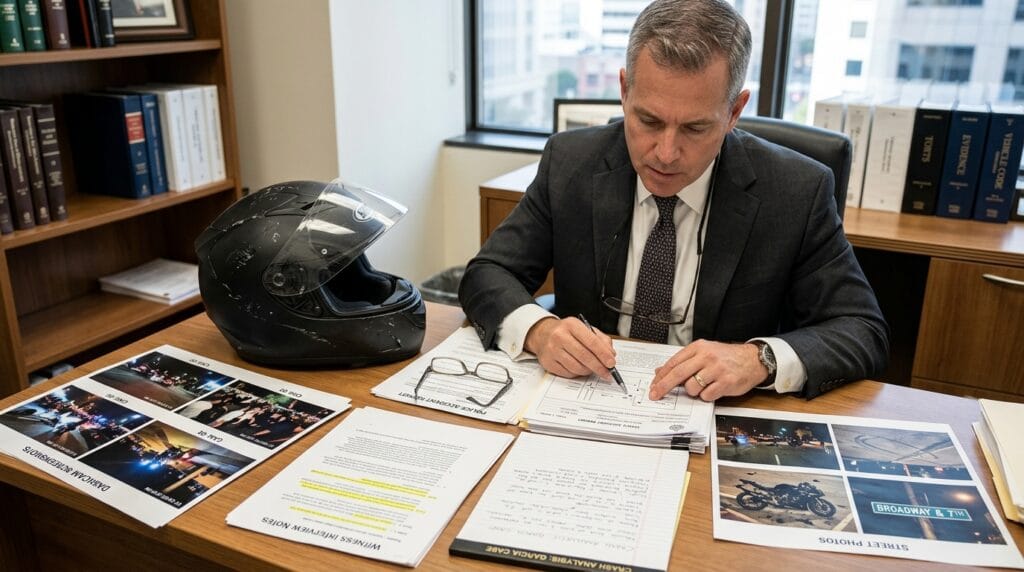
After motorcycle street takeover accidents, safety comes first. Move away from traffic if you can do so safely. Call 911 and request medical help. Tell the dispatcher if riders are blocking traffic, fleeing, or creating danger for other people.
Get medical care even if your injuries seem minor. Adrenaline can hide pain. Concussions, neck injuries, back injuries, internal injuries, and soft tissue damage may appear later. Medical records also connect your injuries to the crash.
Report the crash to law enforcement. A police report can document the location, time, witnesses, rider descriptions, vehicle information, and any larger enforcement action. This report can become important when an insurer questions what happened.
Evidence That Can Strengthen the Injury Claim
Evidence can disappear quickly after a takeover. Riders leave. Vehicles scatter. Videos get deleted. Businesses overwrite camera footage. Witnesses move on. Victims should gather what they can as soon as it is safe.
Take photos of the road, damage, debris, tire marks, traffic signals, signs, injuries, and vehicle positions. If a dirt bike or ATV remains at the scene, photograph it from multiple angles. Capture serial numbers, decals, damage, missing plates, and any identifying details.
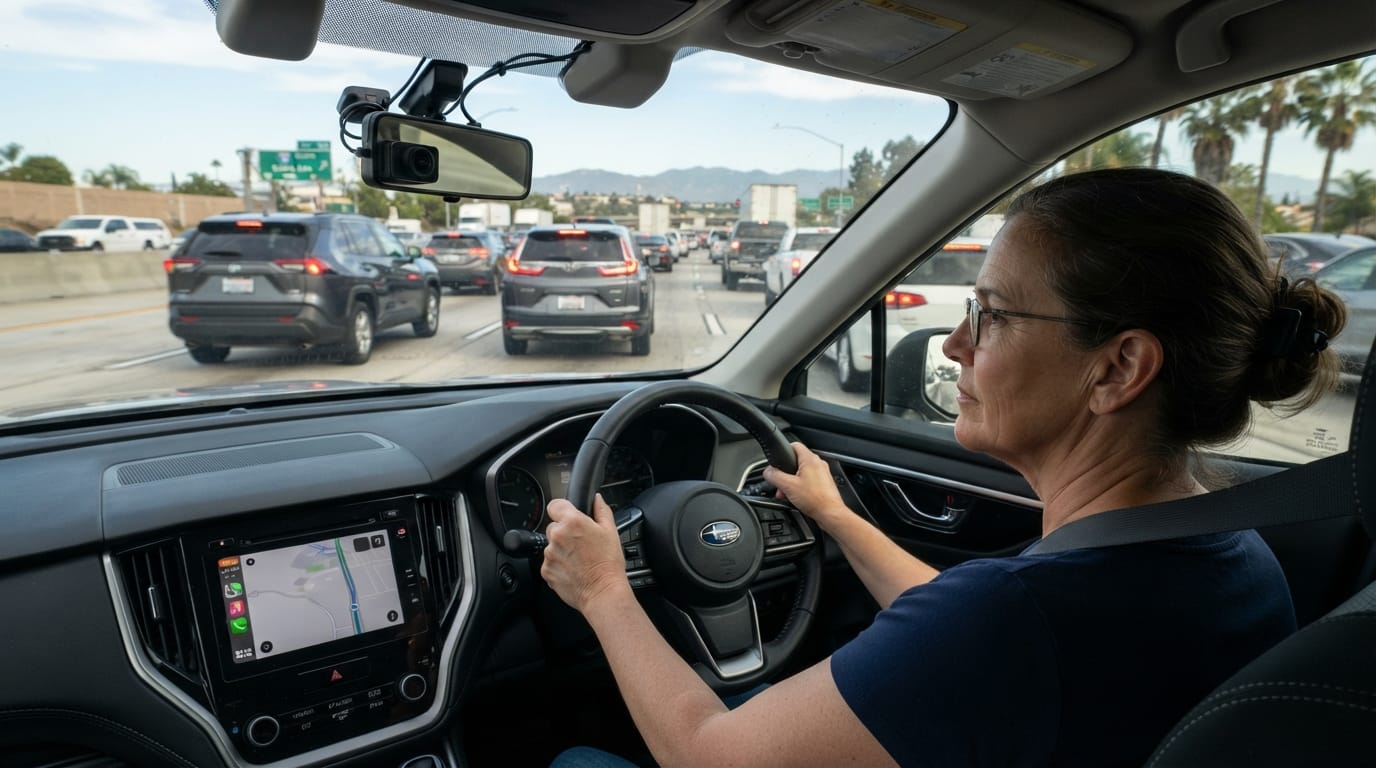
Look for video. Dashcams, helmet cameras, phones, business cameras, police cameras, traffic cameras, and nearby apartments may have useful footage. This is where digital evidence can change a case. For more on technology-based proof, read the site’s article on AI dashcams and motorcycle accident evidence.
Witnesses also matter. Ask for names and phone numbers. A neutral witness may explain that the group blocked an intersection, ignored lights, or forced traffic to stop suddenly. That testimony can help prove the crash did not happen in isolation.
Victims should also preserve their own damaged items. Keep helmets, jackets, gloves, phones, shoes, and motorcycle parts. These items can show impact force, direction, and severity. Do not repair or throw away key evidence too early.
Some crashes may also involve drivers who claim they never saw the rider or pedestrian. If the crash happened at an intersection, the site’s guide on left-turn motorcycle accidents may help explain right-of-way issues. If the crash involved lane movement, the site’s motorcycle accident tips category can support related safety and claim content.
For outside safety guidance, riders and drivers can review the California Highway Patrol’s California Motorcyclist Safety page. CHP explains that lane splitting requires caution, visibility, awareness, and careful decision-making. Those same principles matter even more when group riding creates pressure, crowd behavior, and sudden traffic conflicts.
Final takeaway: Motorcycle street takeover accidents can involve more than one reckless rider. The claim may include hit-and-run issues, illegal vehicles, blocked traffic, uninsured riders, negligent vehicle owners, video evidence, and multiple insurance policies. Get medical care, report the crash, document everything, preserve video quickly, and review every possible source of recovery before accepting an insurer’s version of the event.