California motorcycle speeding allegations can appear in almost any motorcycle injury claim. A driver changes lanes without looking. A car turns left across a rider’s path. A truck drifts into the next lane. Even when the driver clearly caused the crash, the insurance company may still argue that the rider was going too fast.
That accusation matters because speed can shape fault, damages, and settlement value. In California, an injured rider may still recover compensation even if the insurer proves partial fault. However, any percentage of fault assigned to the rider can reduce the payout. That is why speeding allegations deserve a close review instead of a quick assumption.
This issue is especially relevant in 2026 because motorcycle safety data keeps drawing attention to rider risk. NHTSA says 6,228 motorcyclists were killed in 2024, accounting for 15% of all traffic fatalities. Federal safety data also says 37% of motorcycle riders involved in fatal crashes in 2024 were speeding. Those statistics are important for safety, but they do not prove that a specific injured rider caused a specific crash.
Why Speeding Allegations Show Up So Often in Motorcycle Claims
Motorcycles already face unfair assumptions. Some people see a sport bike, loud exhaust, or lane position and assume the rider must have been reckless. Insurance adjusters know that bias exists. As a result, they often raise speed early, even when the police report is incomplete or the evidence is mixed.
In many cases, the speeding allegation works as a pressure tactic. If the rider believes the claim will fail, they may accept a lower settlement. If the rider makes a casual statement like “I may have been going a little fast,” the insurer may use that line later as an admission.
Insurers Use Speed to Shift Fault
In a typical crash, the driver may have made the first mistake. The driver may have turned left, opened a door, merged without checking, or failed to yield. Even so, the insurer may argue that the rider’s speed made the crash unavoidable or made the injuries worse.
That argument can appear in intersection crashes, freeway lane-change crashes, blind spot collisions, rear-end wrecks, and lane-splitting cases. The company may claim the driver never had time to see the rider. It may argue that the rider “came out of nowhere.” The real issue is whether the evidence supports that story.
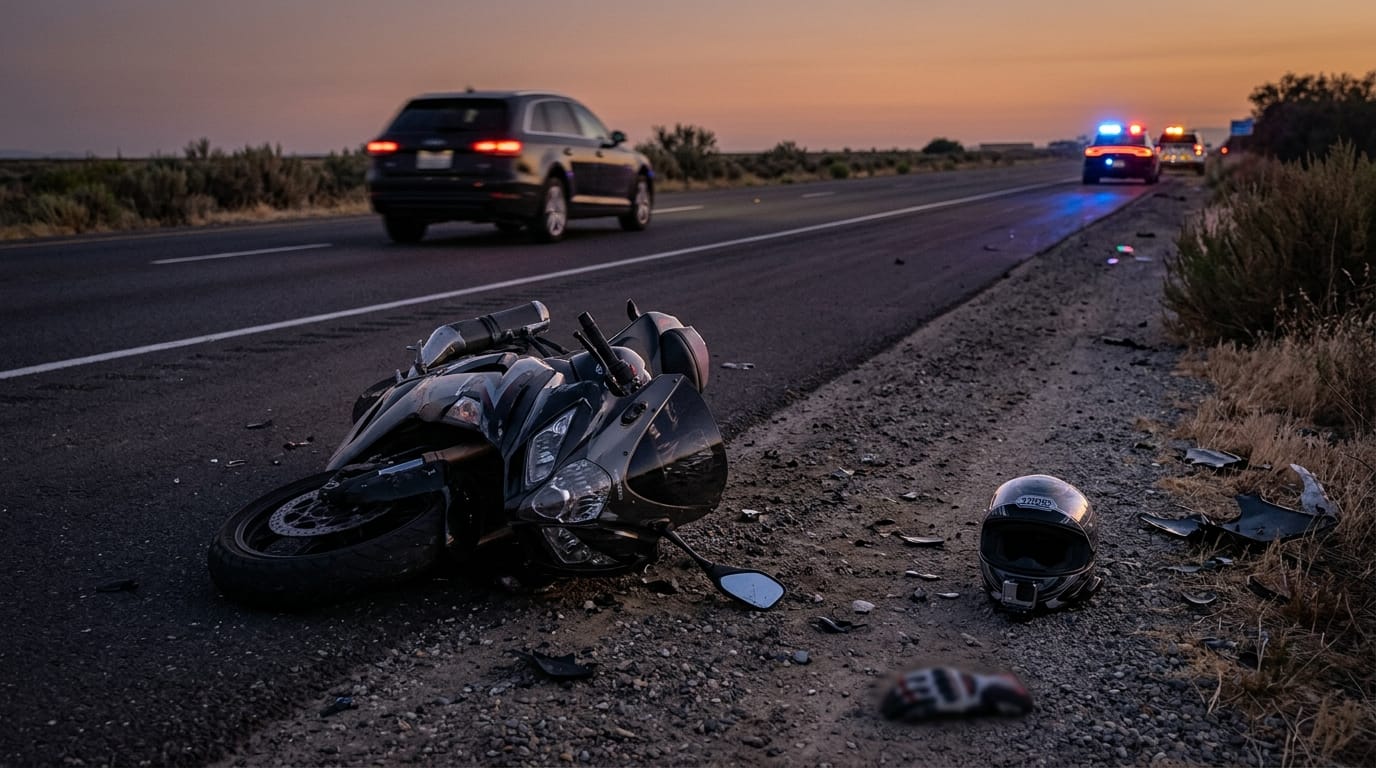
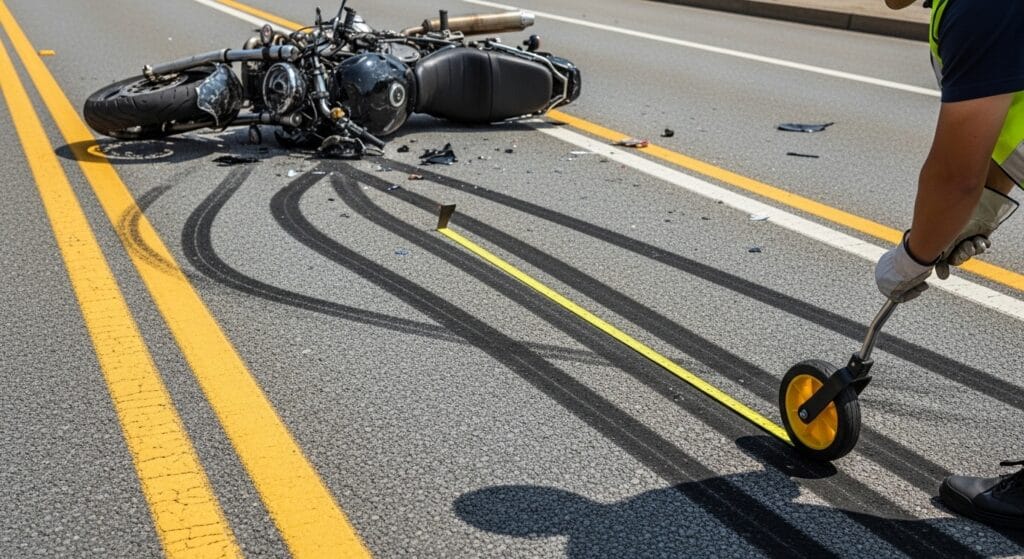
California motorcycle speeding allegations should be tested against actual proof. The road layout, impact point, skid marks, surveillance video, dashcam footage, witness statements, and vehicle damage may all tell a very different story.
Speed Is Not Always Easy to Prove
Drivers often guess about speed after a crash. A frightened driver may say the motorcycle was “flying.” A witness may overestimate speed because motorcycles approach quickly and create a stronger visual impression. Those impressions are not the same as reliable evidence.
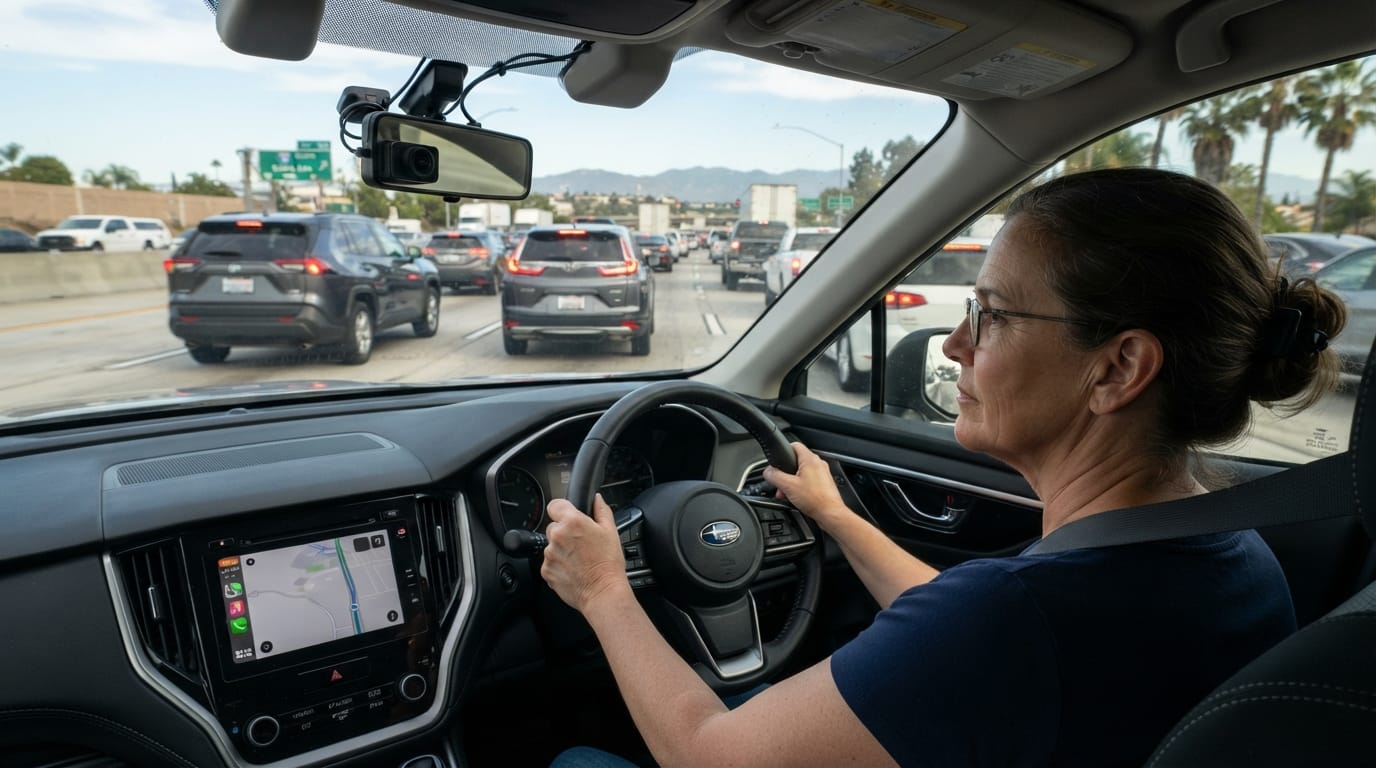
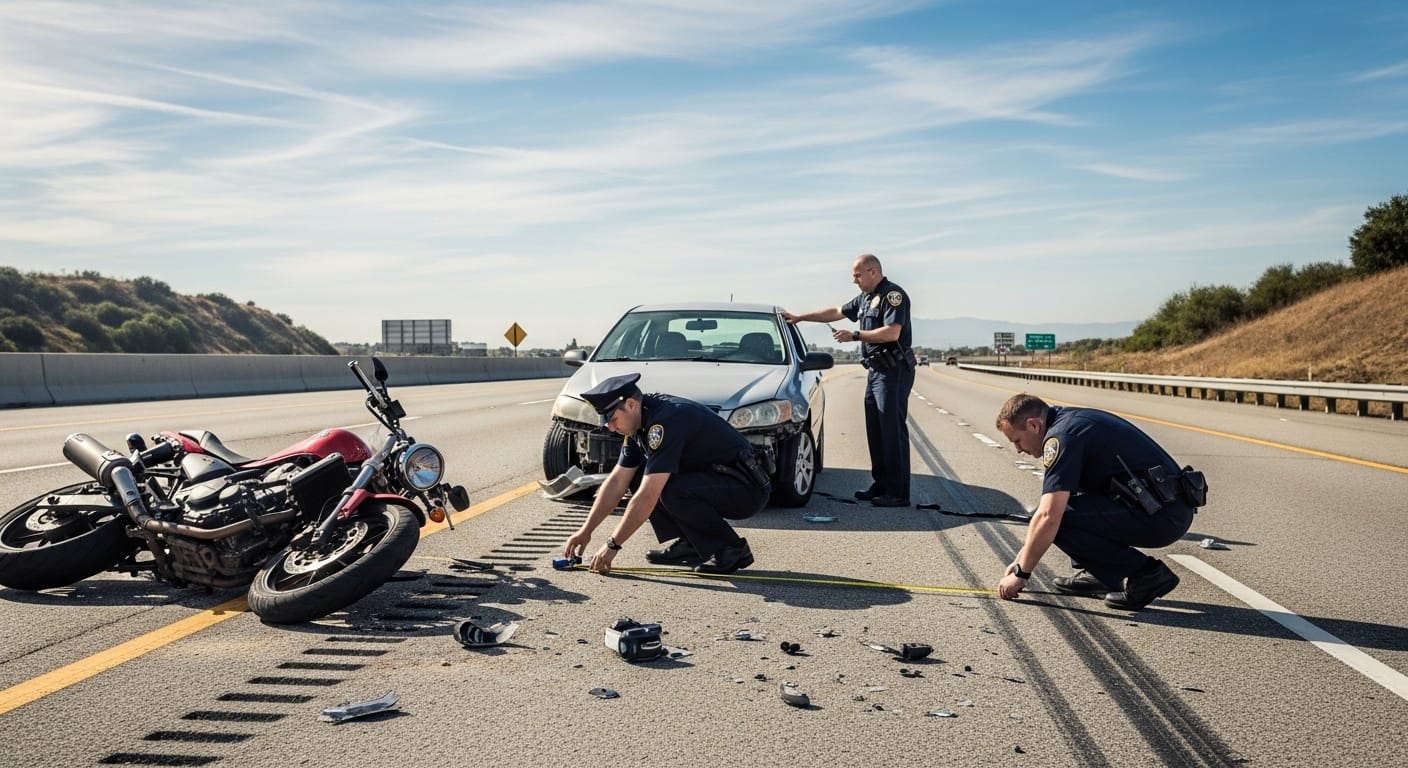
Accident reconstruction may help when the injuries are serious or the facts are heavily disputed. Investigators may look at skid marks, crush damage, final rest positions, event data, camera footage, and roadway measurements. In some cases, helmet camera or dashcam video can become very important.
This is a strong place to connect readers to your post on AI dashcams and motorcycle accident evidence. Riders often assume only cars have useful data, but modern video evidence can strongly affect a speed dispute.
Police Reports May Raise Questions Without Settling the Issue
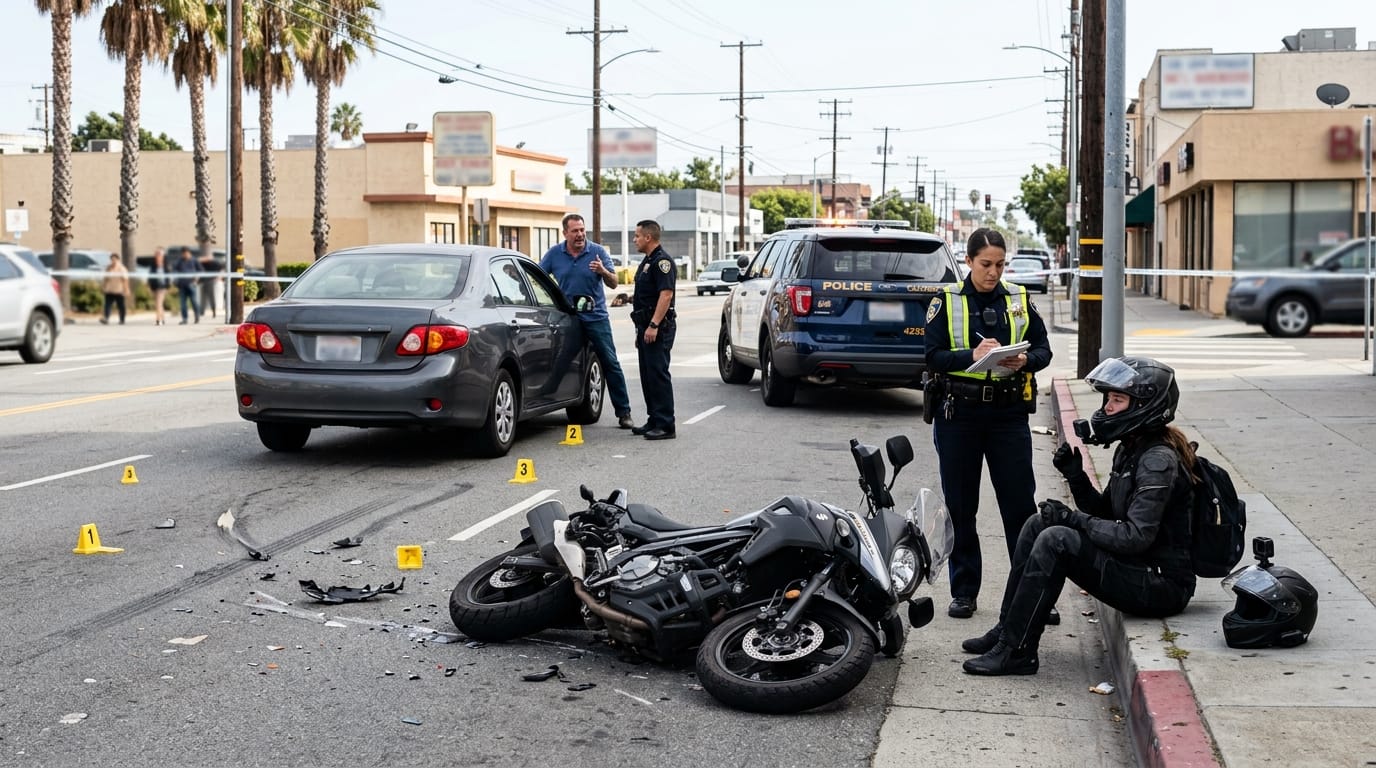
A police report can help, but it does not always settle fault. An officer may note that speed was a possible factor. That note may come from a driver statement, witness opinion, or quick scene impression. In a civil claim, that is only part of the picture.
If the report cites the rider for unsafe speed, the insurer will likely rely on that detail. If the report does not mention speed at all, the insurer may still raise it later. Either way, riders should treat the report as important evidence, not as the final word.
Bias Against Riders Can Affect the Claim
Motorcyclists often deal with stereotypes that car drivers do not face. Some insurers assume riders take more risks. Some jurors may also carry that assumption into a case. That does not mean the claim is weak. It means the evidence and presentation matter.
Your article on lane-splitting motorcycle accidents in California fits well here, because lane-splitting and speeding are often raised together even when the facts are different. Riders need readers to understand that visibility problems, lane changes, and failure to yield may matter more than raw speed.
How Riders Can Fight Back Against California Motorcycle Speeding Allegations
The best response to a speeding accusation is evidence. Riders should preserve as much information as possible after a crash. Family members or representatives may need to help if the rider is badly hurt.
Useful proof may include scene photos, roadway measurements, nearby surveillance video, helmet cam footage, witness statements, the police report, repair estimates, medical records, and records from the other driver’s phone or vehicle if distraction may have played a role.
Comparative Fault Makes the Evidence Critical
California follows comparative fault rules. That means an injured rider can still recover damages even if the rider shares some blame. However, the final recovery drops by the rider’s percentage of fault. If an insurer assigns 30% of the blame to the rider for speed, a $100,000 claim may effectively lose $30,000.
That makes speed disputes financially important. A small change in fault percentage can greatly change a settlement. The claim should focus on what the driver did wrong, whether the driver had enough time to react, and whether the rider’s speed claim is supported by reliable evidence.
This section connects naturally to your post on comparative fault in motorcycle accidents. It helps readers understand why insurers care so much about even modest speeding allegations.
Medical Records and Damage Proof Still Matter

Speed arguments often distract people from the second half of the claim: damages. Even if fault is disputed, riders still need strong proof of their injuries and losses. Emergency care, imaging, surgeries, therapy, medication, follow-up visits, lost income, and future treatment all matter.
Keep helmet photos, protective gear photos, repair bills, tow receipts, medical records, and missed work records. If the rider now struggles with pain, mobility, sleep, anxiety, or daily tasks, that impact should also be documented. A claim is not only about how the crash happened. It is also about how the crash changed the rider’s life.
Do Not Guess When Talking to Insurance Adjusters
Insurance adjusters often ask questions that sound harmless. They may ask, “How fast do you think you were going?” or “Were you trying to get through the light?” A rider in pain may guess or try to sound cooperative. That guess may later be treated as a fact.
Do not estimate speed unless you truly know. Do not assume blame just to be polite. If the facts are still under review, say so. A driver’s sudden turn or lane change may have caused the crash regardless of the rider’s exact speed.
For general guidance, readers can also review your foundational article, Understanding Your Rights After a Motorcycle Accident. It supports this post by helping injured riders take the right early steps.
California motorcycle speeding allegations should never be accepted at face value. Safety statistics can explain why insurers look at speed, but broad trends do not prove fault in one specific collision. Every case depends on its own evidence, roadway conditions, vehicle movements, and injury proof.
The strongest claims show the full picture. They explain what the driver did, what the rider did, what the scene looked like, and what the evidence proves. With that approach, a rider can push back against unfair blame and pursue compensation based on facts, not stereotypes.
For added authority, readers can review NHTSA’s motorcycle safety page and the National Highway Traffic Safety Administration’s motorcycle safety statistics summary. Those sources explain the real safety backdrop while reinforcing that motorcycle crash analysis should stay evidence-based.