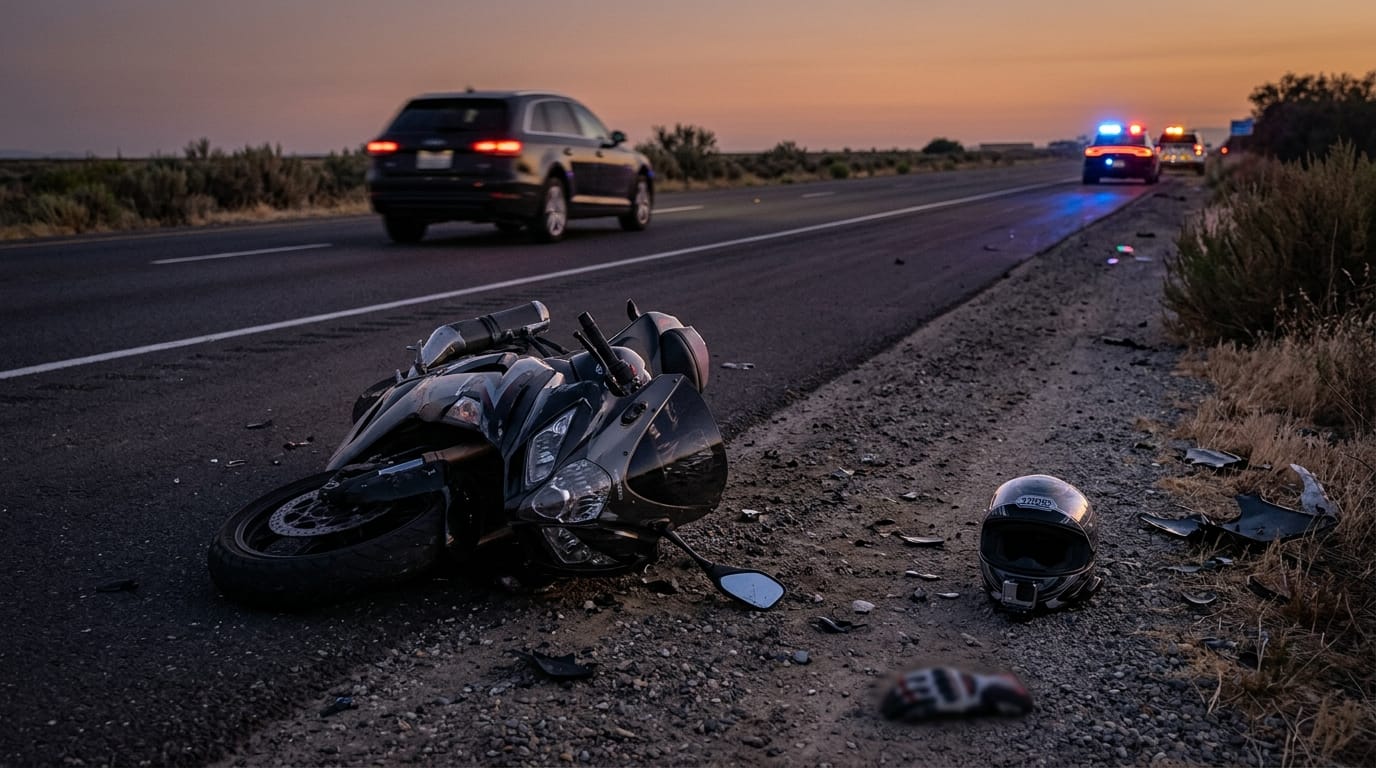
Electric two-wheelers are changing fast, and the law is trying to catch up. In California, one of the biggest 2026 developments is the state’s treatment of certain “off-highway electric motorcycles,” often called eMotos. That matters because riders, parents, insurers, and injury victims often use the wrong label. Some people call them e-bikes. Others call them electric dirt bikes. Some treat them like ordinary motorcycles. After a crash, those differences stop being casual and become legal.
That is why eMoto accidents California riders face in 2026 deserve close attention. The first issue is classification. If the vehicle falls into the off-highway electric motorcycle category, California law may treat it differently from a street-legal motorcycle or a lower-speed e-bike. That can affect where the vehicle can be ridden, how fault is argued, what safety rules apply, and whether an insurance company tries to deny coverage. California’s DMV says SB 586 classifies an “off-highway electric motorcycle” as an off-highway motor vehicle, which means it must follow OHV rules, including ID plate or placard requirements.
Recent California reporting also shows why this topic is timely. The Bay Area has seen growing concern over powerful e-motos being ridden illegally on public roads and trails, along with serious crashes and enforcement efforts. That trend makes accident and liability questions far more relevant now than they were a year ago.
For a motorcycle accident site, this topic fits naturally with your existing coverage of rider visibility, fault disputes, and technology-driven evidence. Your blog already covers issues like lane-splitting motorcycle accidents in California and AI dashcams and motorcycle accident evidence, so an eMoto liability article adds another current branch to the same legal cluster.
Why eMoto crashes are becoming a bigger legal issue in California
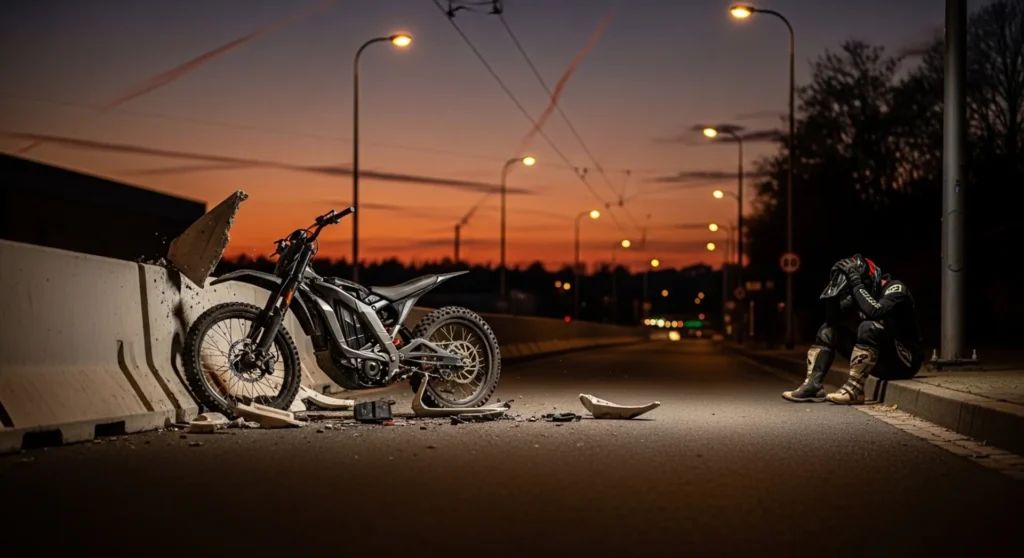
eMoto crashes create legal confusion because the vehicle itself often sits in a gray area in people’s minds. A rider may think the machine is basically an e-bike with more power. A parent may buy it without understanding where it can legally operate. A driver who hits the rider may assume the rider had no right to be on the road. Then the insurer steps in and tries to use that confusion to shift blame.
What changed in 2026
California’s 2026 law matters because it gives clearer treatment to off-highway electric motorcycles. According to the DMV, these vehicles now fall under off-highway motor vehicle rules rather than being casually lumped into the e-bike category. That does not answer every liability question after a crash, but it does change the legal starting point.
Classification affects where the vehicle can be used
If a vehicle qualifies as an off-highway electric motorcycle, the rider may face restrictions on public-road use. That does not automatically mean the rider caused the crash, but it can become part of the negligence argument.
Classification affects licensing and safety arguments
After a collision, defense lawyers and insurers often look for any rule violation they can use. They may point to licensing, vehicle type, safety equipment, or road-use rules to argue comparative fault.
That is important because California accident cases do not always turn on one clean issue. A rider may have been operating in a legally questionable way, but a driver may still have made the move that actually caused the impact. If a car turned left, drifted across lanes, or failed to yield, the rider’s vehicle classification does not erase the driver’s duty to act carefully.
Why these crashes are not just “youth trend” stories
Media coverage often focuses on teens, reckless riding, or viral social media behavior. That angle gets attention, but it can oversimplify real injury cases. Some crashes involve underage riders and obvious public-road violations. Others involve adults, mixed-use areas, poor signage, unsafe roadway conditions, or drivers who simply fail to see a smaller electric two-wheeler. Recent reporting on illegal e-moto riding in the Bay Area shows both the enforcement angle and the serious injury risk.
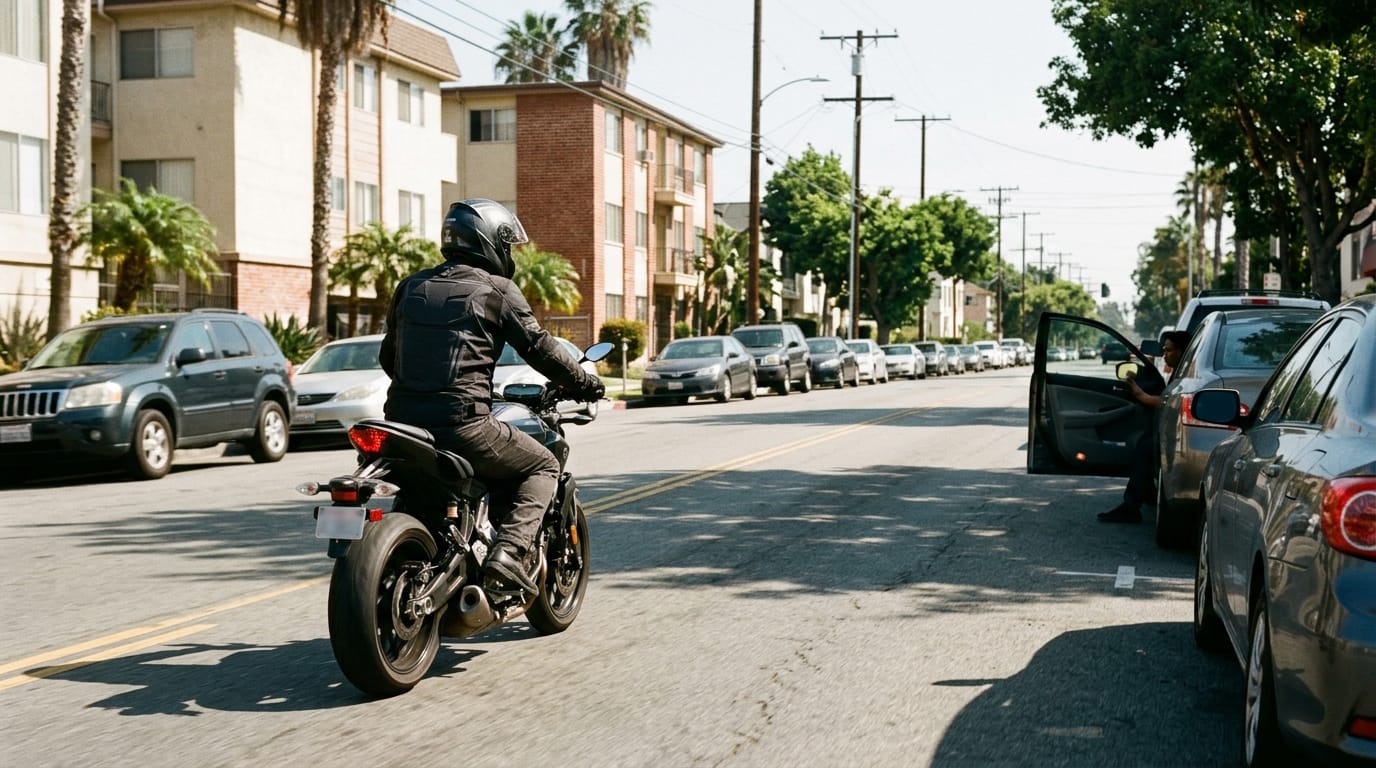
That distinction matters in litigation. A court or insurer may care about whether the rider should have been there, but it will also care about how the crash happened. Was the rider struck from behind? Did a driver open a door into the rider’s path? Did a work vehicle back out without looking? Those facts still matter.
Who may be liable and what evidence matters after an eMoto crash
eMoto accidents often involve the same core liability questions as traditional motorcycle crashes, but with extra layers. The case may involve the rider, another driver, a product defect, a dangerous roadway, or even a public-agency issue. In some cases, several factors overlap at once.
Potentially liable parties
A negligent driver
Many eMoto crashes still come down to ordinary negligence. A driver may speed, merge without checking, turn across traffic, follow too closely, or claim not to have seen the rider. That same excuse appears in many standard motorcycle cases too, including lane-splitting disputes where visibility and sudden lane changes drive the fault analysis. Internal link: lane-splitting motorcycle accidents in California
A driver’s duty does not disappear just because the vehicle is electric or unfamiliar. If a motorist had time to see the rider and failed to react reasonably, that driver may still be liable.
A manufacturer or parts maker may also be responsible in some cases. If the throttle sticks, the brakes fail, the battery system malfunctions, or another component contributes to the crash, the case may move beyond simple rider-versus-driver fault. That is where your existing article on motorcycle recalls and defect-related accidents becomes a strong internal support page.
Road conditions can matter too. Small-wheeled electric motorcycles and similar vehicles may react badly to potholes, gravel, pavement lips, and debris. If the roadway itself played a role, a rider may also need to evaluate a claim like the issues discussed in your article on motorcycle road hazard accidents in California.
Evidence that can strengthen the case
Video and digital evidence

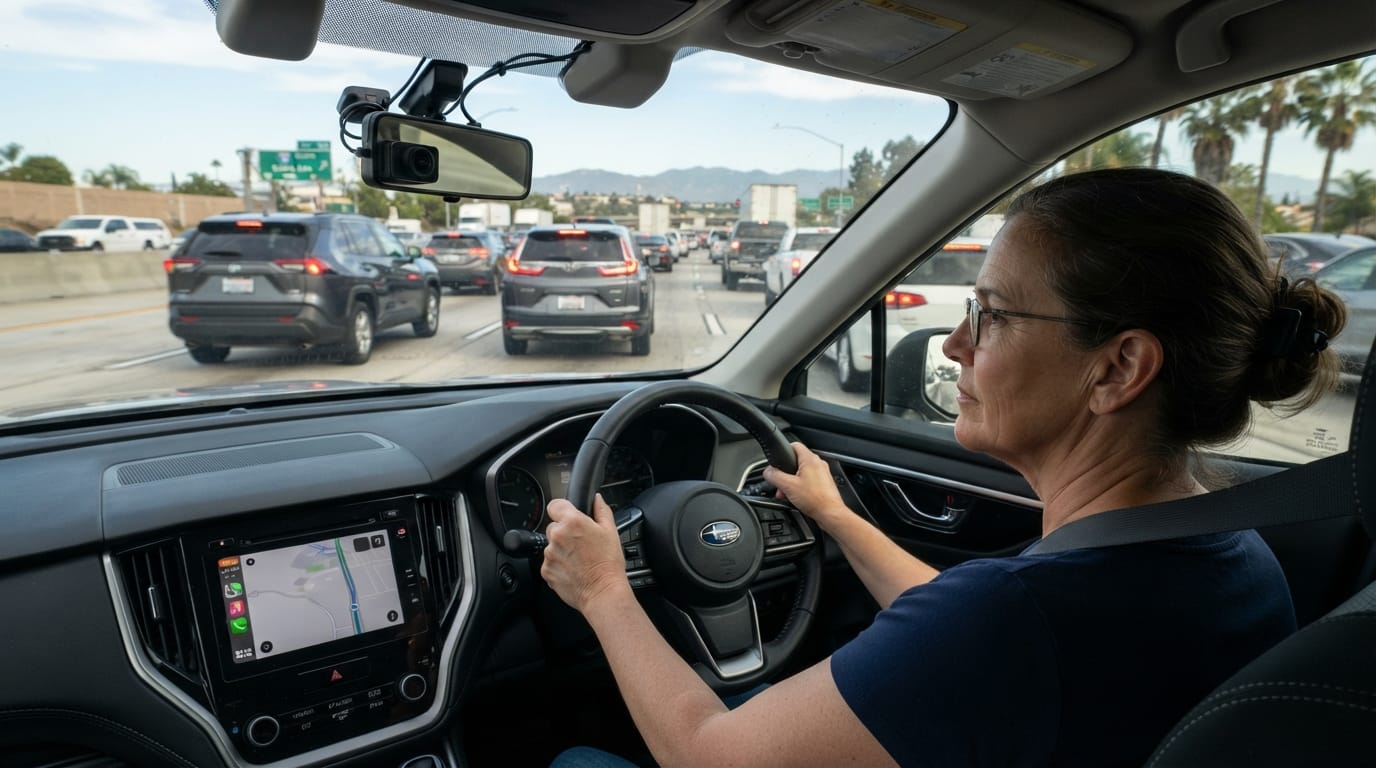
eMoto cases often move fast from facts to assumptions. That makes video critical. Helmet cameras, security footage, dashcams, and phone recordings can show speed, lane position, visibility, road conditions, and the exact movement that caused the crash. Smart camera evidence can be especially useful in disputes where the other side says the rider “came out of nowhere.” Internal link: AI dashcam evidence
Photos of the vehicle also matter. Capture the tires, frame, controls, battery area, lights, damage points, and any identifying labels. In a classification dispute, those details may become more important than people expect.
Witnesses help too. A witness may confirm that the rider was traveling predictably, wearing visible gear, or operating in a way that looked normal until the driver made a sudden move. Other witnesses may describe repeated dangerous conditions in the area, especially if the crash happened near a construction zone, confusing intersection, or poorly maintained roadway.
Riders should also preserve purchase records, manuals, app screenshots, modification records, and communications with the seller. Those details may help establish whether the vehicle was marketed in a misleading way, altered after purchase, or used outside its intended legal category.
For general motorcycle safety guidance, California riders can review the California Highway Patrol motorcycles and similar vehicles guidance. For the 2026 change involving off-highway electric motorcycles, the California DMV’s new laws page provides the clearest official summary.
The bottom line is simple: eMoto accidents California riders face in 2026 are not niche cases anymore. They sit at the intersection of new law, new technology, rider vulnerability, and public confusion. That combination creates real openings for blame-shifting by insurers and defendants.
After a crash, do not assume the label on the vehicle decides the whole case. It does not. Liability still depends on the facts, the conduct of everyone involved, and the evidence you preserve early. If the rider suffered serious injury, a careful investigation should look at road rules, vehicle classification, driver behavior, possible defects, and every piece of footage available before the story hardens into the wrong version.