California’s motorcycle riders have always faced unique risks on the road. Between distracted drivers, sudden lane changes, and limited visibility, proving fault after an accident can be challenging. In 2025, however, new technology is offering riders a digital ally — the AI dashcam. These advanced cameras, now often built into smart helmets or mounted on bikes, are revolutionizing how motorcycle accident evidence is captured, analyzed, and presented in legal claims.
The Rise of AI Dashcams in Motorcycle Safety
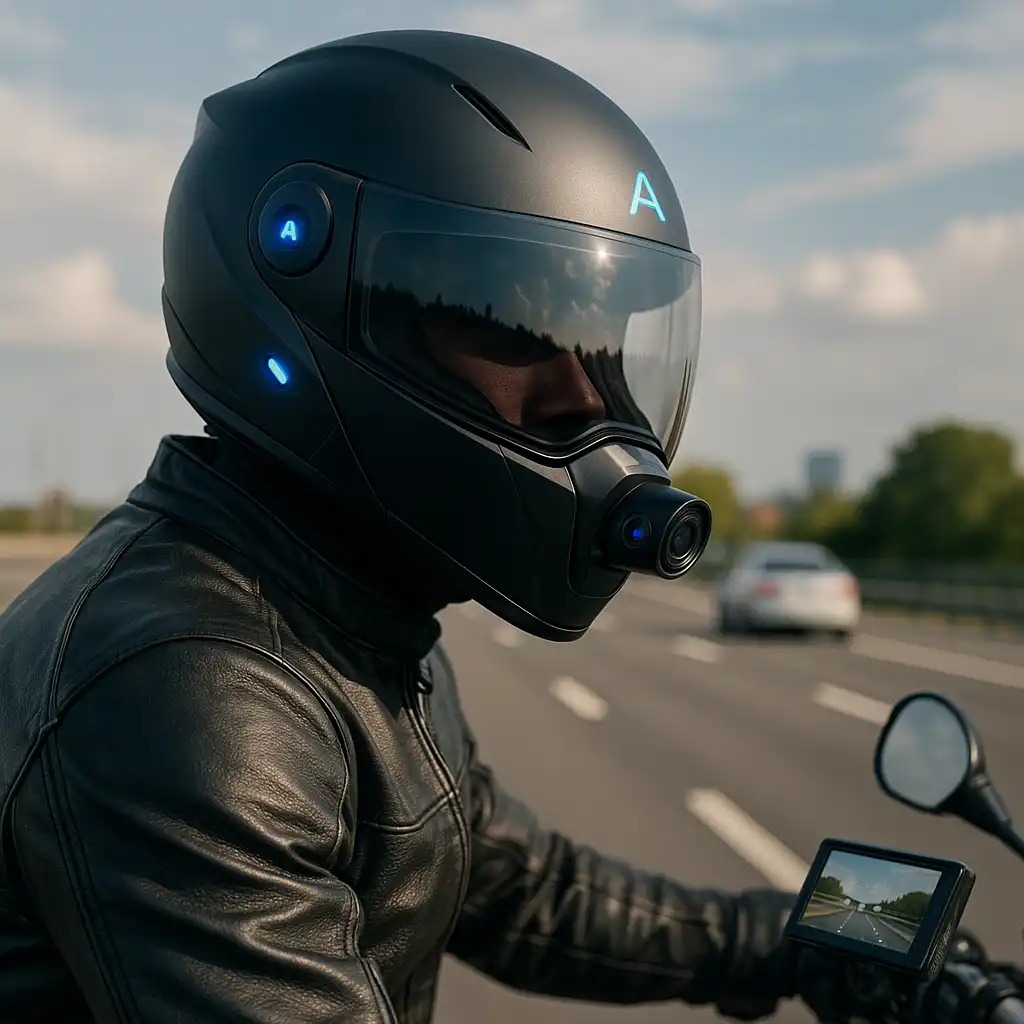
Traditional dashcams simply record footage. But modern AI systems go far beyond that. Equipped with motion detection, object recognition, and GPS tracking, AI dashcams analyze every second of your ride. They can identify risky driving behaviors, detect potential collisions, and even alert you to sudden obstacles or vehicles in your blind spot. In the event of a crash, they automatically preserve the crucial seconds before and after impact — providing riders with irrefutable proof of what truly happened.
This is especially important in motorcycle accident claims, where liability often depends on small details. A split-second lane change or missed signal can make the difference between winning and losing a case. AI-powered dashcams eliminate uncertainty by providing precise, time-stamped, and data-backed evidence.

How AI Dashcams Work: Beyond Recording
AI dashcams use machine learning to interpret what they see. They can detect brake lights, identify vehicles, measure distance, and recognize signs. Some models even analyze facial expressions or fatigue in the rider to detect drowsiness. When an accident occurs, the AI automatically flags the footage and uploads it to the cloud, ensuring it can’t be deleted or tampered with — a crucial feature for legal protection.
Many California riders are adopting smart helmets that integrate these systems seamlessly. These helmets include voice commands, Bluetooth communication, and 360-degree recording. Some insurers have started offering discounts to riders who use AI-based safety tech, citing reduced accident rates and faster claim processing.
Legal Admissibility of AI Footage in California Courts
California law allows dashcam evidence in civil and criminal proceedings, provided the footage is clear, authentic, and legally obtained. Courts view AI footage as a reliable record of events, especially when it includes GPS coordinates and timestamps. This evidence can help demonstrate speeding, sudden braking, or a driver’s negligence — all vital elements in personal injury litigation.
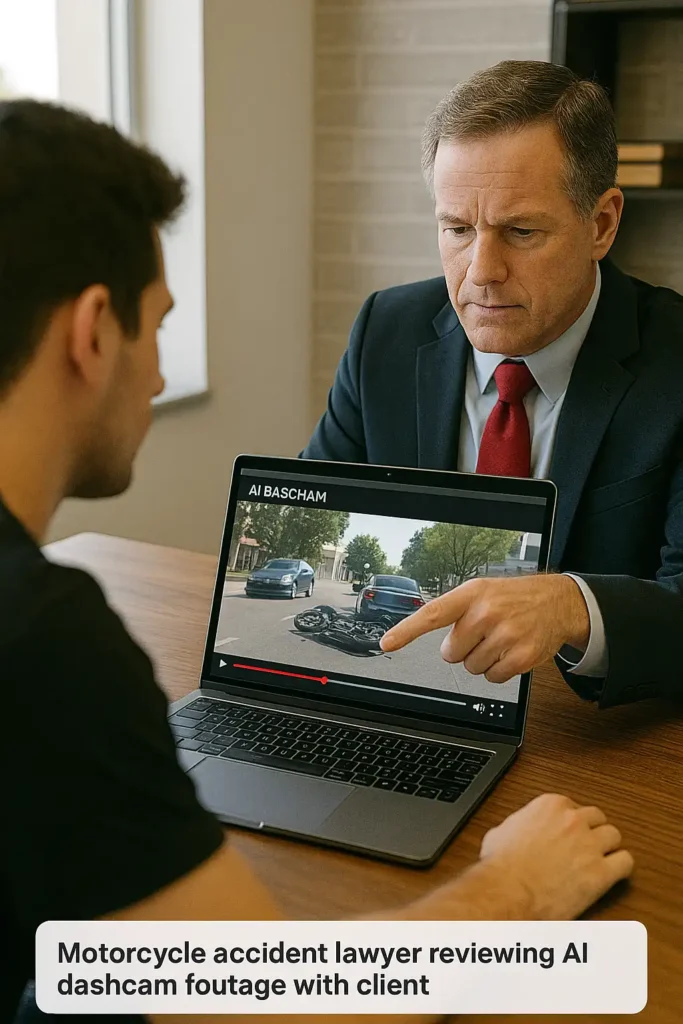
Attorneys specializing in motorcycle accident cases use AI footage to reconstruct scenes, challenge false police reports, and negotiate fair settlements. The technology helps victims establish who was truly at fault, minimizing the chances of being wrongfully blamed for an accident.
However, riders must ensure the data’s integrity. Courts may reject footage that appears edited or lacks metadata. Working with an experienced California motorcycle accident lawyer ensures the evidence is presented properly and complies with state rules of evidence.
AI Evidence in Lane-Splitting and Hit-and-Run Accidents
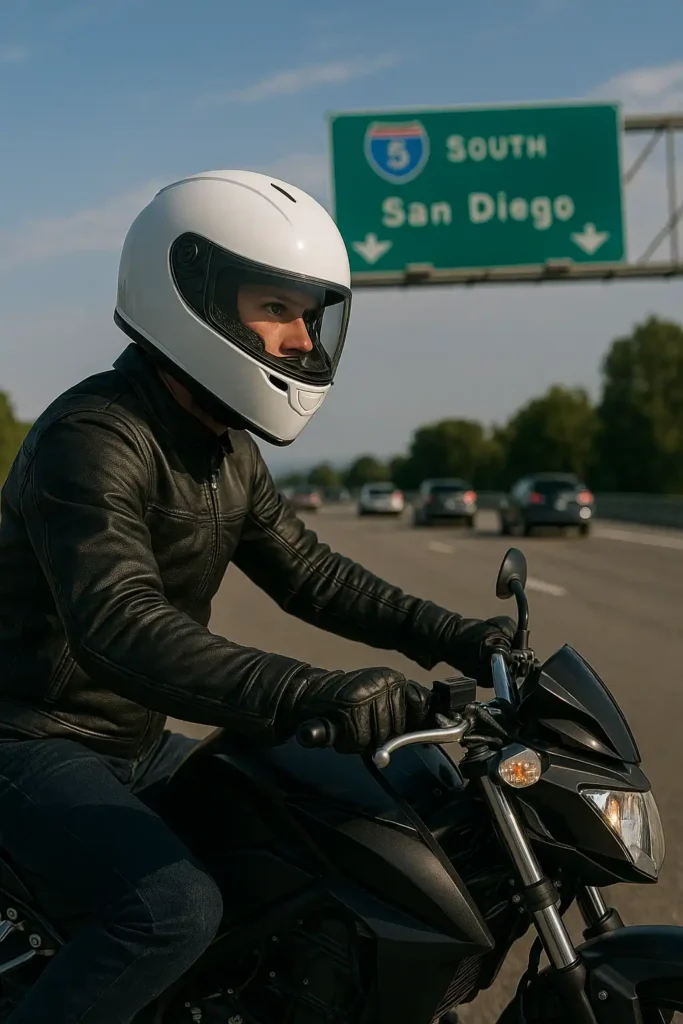
California is the only U.S. state that officially permits lane splitting — when a motorcyclist rides between lanes of slow-moving cars. While legal, it’s often misunderstood by other drivers, leading to disputes when accidents occur. AI dashcams can clarify what really happened, showing whether the motorcyclist was lane-splitting safely or if a driver made an unsafe lane change.
In lane-splitting accident claims, AI footage provides context that human witnesses often miss — such as vehicle distances, speed differences, and traffic flow patterns. Similarly, in hit-and-run cases, AI cameras can capture a fleeing driver’s license plate or even the car’s make and color. Police investigators and insurance companies increasingly rely on this technology to locate at-fault drivers.
Privacy Concerns and Responsible Use
While AI cameras protect riders, they also raise privacy concerns. In California, it’s generally legal to record public roads, but recording private property or conversations without consent can violate privacy laws. Riders should disable audio recording unless necessary and should avoid pointing cameras at private areas.
Additionally, cloud storage should comply with California’s Consumer Privacy Act (CCPA) to protect sensitive data. Reputable dashcam brands use encrypted uploads and user-controlled sharing to maintain privacy and data integrity.
AI Data and Insurance Claims
AI doesn’t just assist in court — it’s transforming insurance claims, too. Insurers now use algorithms to analyze dashcam footage and automatically assess damages. This allows for faster approvals and fewer disputes. Some companies even offer “accident detection” programs that notify emergency responders instantly when the system detects a crash, potentially saving lives.
For example, AI can detect a high-impact collision and alert paramedics within seconds, sharing GPS coordinates and video context. This combination of technology and safety advocacy could redefine how emergency response works for riders across California.
Choosing the Right AI Dashcam for Motorcyclists
Not all AI dashcams are created equal. Riders should consider:
- Resolution and Night Vision: 4K or at least 1080p quality ensures footage is court-ready.
- Cloud Backup: Instant uploads prevent data loss if the camera is damaged.
- Dual-Lens Coverage: Front and rear cameras capture more angles for stronger evidence.
- GPS Integration: Adds location and speed metadata that courts accept as credible proof.
- AI Motion Sensors: Automatically detect and flag incidents without manual input.
Top-rated models like the Innovv K6, Thinkware Sports M1, and Sena’s Smart Helmet series lead the 2025 market, offering reliable AI integration and easy-to-manage cloud storage.
AI and the Future of Motorcycle Safety
Experts believe AI technology will continue to evolve alongside autonomous vehicles and smart infrastructure. Future motorcycle systems could communicate directly with nearby cars, traffic lights, and emergency services to predict collisions before they occur. Riders could receive real-time alerts about road hazards or distracted drivers detected by city-wide AI networks.
These innovations mark a shift from reactive to proactive safety — empowering riders to avoid accidents altogether. As these systems become standard, California may eventually require AI dashcams for high-risk motorcyclists or professional riders to improve overall road safety.
Final Thoughts: Tech That Protects Riders’ Rights
In a state known for heavy traffic and complex roadways, AI dashcams are proving to be more than just gadgets — they’re powerful legal tools. They capture what human memory cannot, protect riders from false accusations, and strengthen legitimate personal injury claims.
If you’ve been injured in a motorcycle accident, consult an attorney who understands both the legal and technological sides of your case. An experienced motorcycle accident lawyer in California can help you use AI evidence effectively to secure fair compensation for your injuries, lost wages, and emotional suffering.
By embracing this technology responsibly, riders can not only enhance their safety but also their legal protection — ensuring that truth and justice ride with them on every journey.